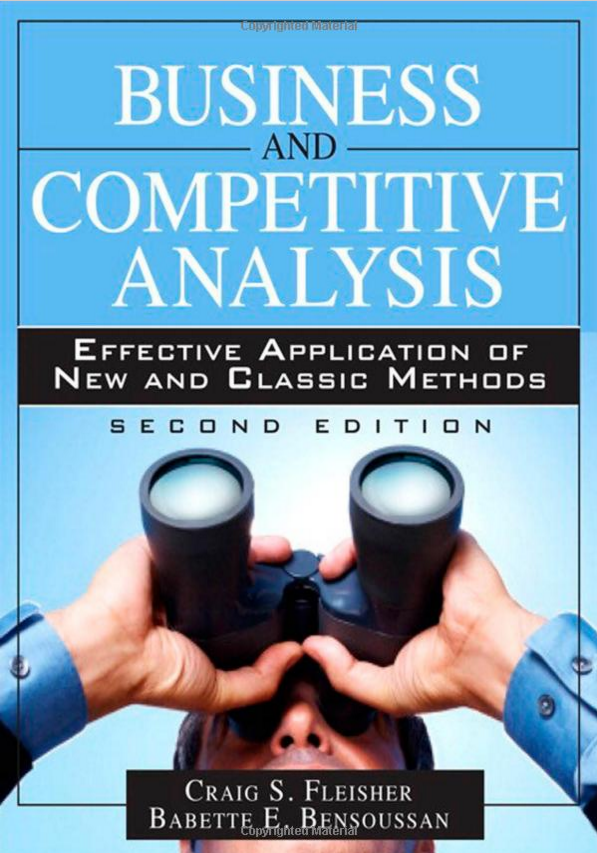
Decision-making bias and strategic mind traps

This is the third preview from my new course for executives and intelligence analysts, How to Avoid Strategic Mind Traps.
In the last post, we looked briefly at memory bias, the cognitive difficulties created by our mind’s troublesome tendency to selectively remember information, retain pleasant but inaccurate narratives, and other inconvenient phenomena. Just in case we were feeling too smart, let’s look at decision-making bias, the irrational patterns into which we fall when making choices as individuals or groups.
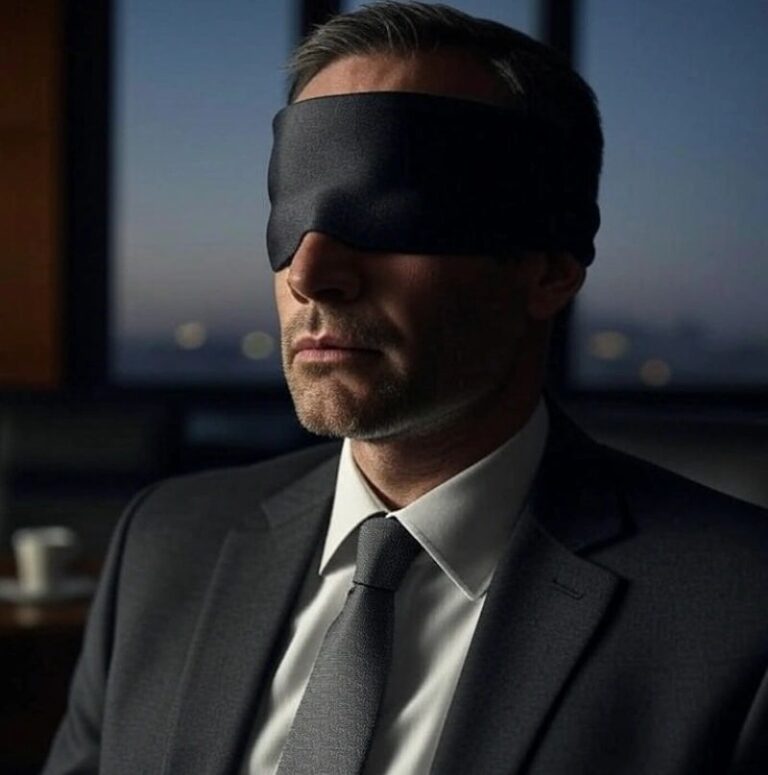
Decision-making bias on display in the boardroom
Man, oh man, here is where mind traps can be seen luridly on display – in the direct ways in which we make decisions on faulty logic.
As such, here are a few decision-making biases to look out for in the field. How many do you recognize?
- Normalcy Bias “Real estate always goes up in value, so there is very little chance of a market crash.” Normalcy Bias is the refusal to plan for a supposedly extreme scenario simply because it has never happened in the decision-maker’s lifetime. This bias keeps us stuck on a strategy which depends on the status quo, even though that may turn to catastrophe in short order.
- Short-Term Benefit Bias “We just don’t have the money to invest in a green building. We would rather blow our budget on lifecycle costs for the next 35 years.“ Short-term benefit bias is the tendency to choose quicker, inferior benefit without regard to probability of both outcomes. In other words, it is the natural state of humanity, our tendency to think like toddlers hungry for a cookie.
- Semmelweis Reflex “I’ve been in this field 25 years, and we’ve never had to worry about that before.” The Semmelweis Reflex is named for Dr. Ignaz Semmelweis, the surgeon thrown out of medicine for suggesting that patients might suffer fewer infections if doctors washed their hands. This bias refers to the tendency to reject or ignore all new data if it contradicts existing theory.
- Zero-Risk Bias “You see, there’s a minute drawback to preventing that disaster you just mentioned.“ Zero-risk bias is our preference to reduce a small risk to zero before we might reduce an enormous risk that truly threatens our interest. This bias insures that we walk toward major problems with a false sense of security.
These are just a few of the decision-making biases we’ll be covering at the International Competitive Intelligence Conference in Bad-Neuheim, Germany on April 22, 2016.
In our last preview, we’ll be covering probability biases.
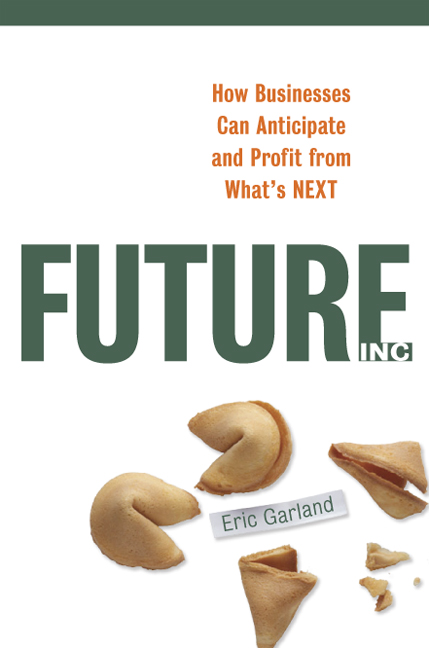
If you’re interested in how to look at the future properly, no matter what your professional background, check out my first book, Future, Inc: How Businesses Can Anticipate and Profit from What’s NEXT.
Related analysis from Competitive Futures
- Cognitive Bias: A Field Guide for Leaders Who Must Decide Under Uncertainty
- You Must Understand Cognitive Bias and AI
- Social Cognitive Bias: Herd Instinct
Want this kind of analysis for your organization? Contact Competitive Futures or learn more about Eric Garland.
About Competitive Futures
Competitive Futures has provided strategic intelligence and foresight to corporate and government clients since 2002. Its principal, Eric Garland, publishes analysis here, on Game Theory Today, and in the Systemics Quarterly Brief.
Read next
- Seventy Countries, Six Cities: The Global Network Behind Iran
- The Systemics Quarterly Brief: 2026 Prospectus
- Strategic intelligence services for executives and governments
- All analysis from Competitive Futures
Stay in touch
Leave your email and a note about the Brief, a briefing for your team, or this piece, and we will be in touch.