Australian Intelligence: History, Structure, and the Headlines
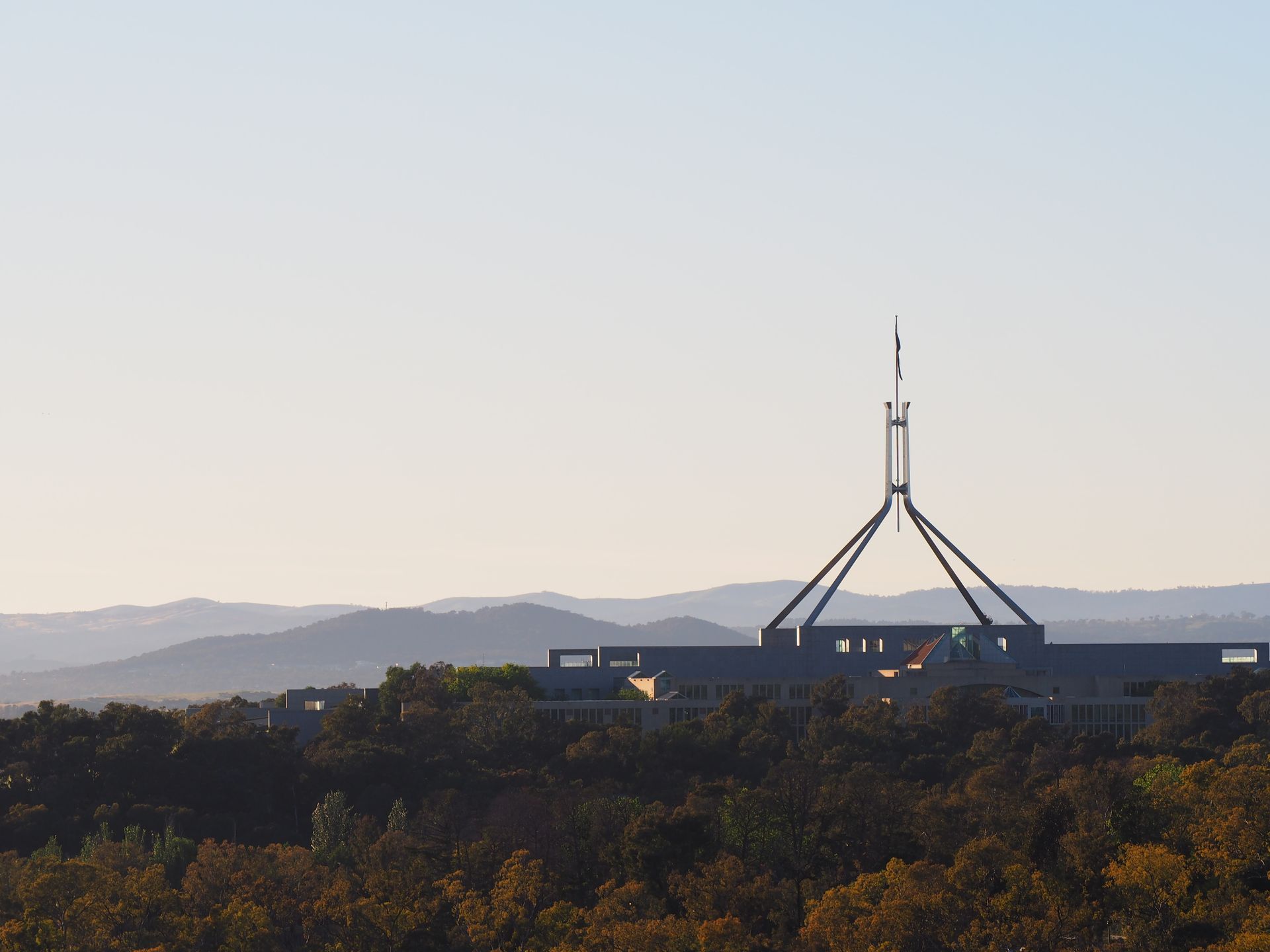
Australia is a middle power of about 27 million people that sits inside the most powerful intelligence alliance in the world. It is a member of the Five Eyes, a partner in the AUKUS submarine pact with the United States and the United Kingdom, and, by its own security service’s account, one of the most heavily targeted democracies for espionage and foreign interference. Its intelligence agencies have caught Soviet spies, bugged a neighbor’s cabinet room according to that neighbor, prosecuted their own former officer, expelled an ambassador, and helped write some of the toughest foreign interference laws in the democratic world.
This page is a working overview of Australia’s intelligence agencies: where they came from, how they are organized today, and the cases that have put them in the news. It relies on Australian legislation, parliamentary records, official media releases, court-reported facts, and named reporting, and it notes where a claim comes from a party with an interest in the outcome.
Australian intelligence at a glance
- Security service: the Australian Security Intelligence Organisation (ASIO), founded in 1949 and governed by the Australian Security Intelligence Organisation Act 1979 (Federal Register of Legislation). It sits in the Home Affairs portfolio.
- ASIO head: Director-General of Security Mike Burgess, who has led ASIO since 2019 and was reappointed in June 2024 for a further five years (Region Canberra); his current term runs from September 15, 2024, to September 14, 2029 (Australian Government Directory).
- Foreign human intelligence: the Australian Secret Intelligence Service (ASIS), led by Kerri Hartland, its first female Director-General (ASIS). Her appointment was announced on December 9, 2022, and she started in February 2023 (Canberra Times).
- Signals intelligence and cyber: the Australian Signals Directorate (ASD), led since September 6, 2024, by Abigail Bradshaw, who succeeded Rachel Noble (Prime Minister of Australia).
- Assessment and coordination: the Office of National Intelligence (ONI). On October 16, 2025, the government named Kathy Klugman, a former foreign policy adviser to Prime Minister Anthony Albanese, as Director-General of National Intelligence, to succeed Andrew Shearer at the end of his term; she is the first woman to lead the office (Prime Minister of Australia). By February 2026 she was leading ONI (ASPI The Strategist).
- Oversight: the Inspector-General of Intelligence and Security (IGIS), an independent statutory officer (IGIS), and Parliament’s Joint Committee on Intelligence and Security (PJCIS) (Parliament of Australia).
- Relationship with the United States: very close. Australia is a Five Eyes member, and on September 15, 2021, it joined the United States and the United Kingdom in announcing AUKUS, including a commitment to help Australia acquire nuclear-powered submarines (White House).
History: from the Venona crisis to the AUKUS era
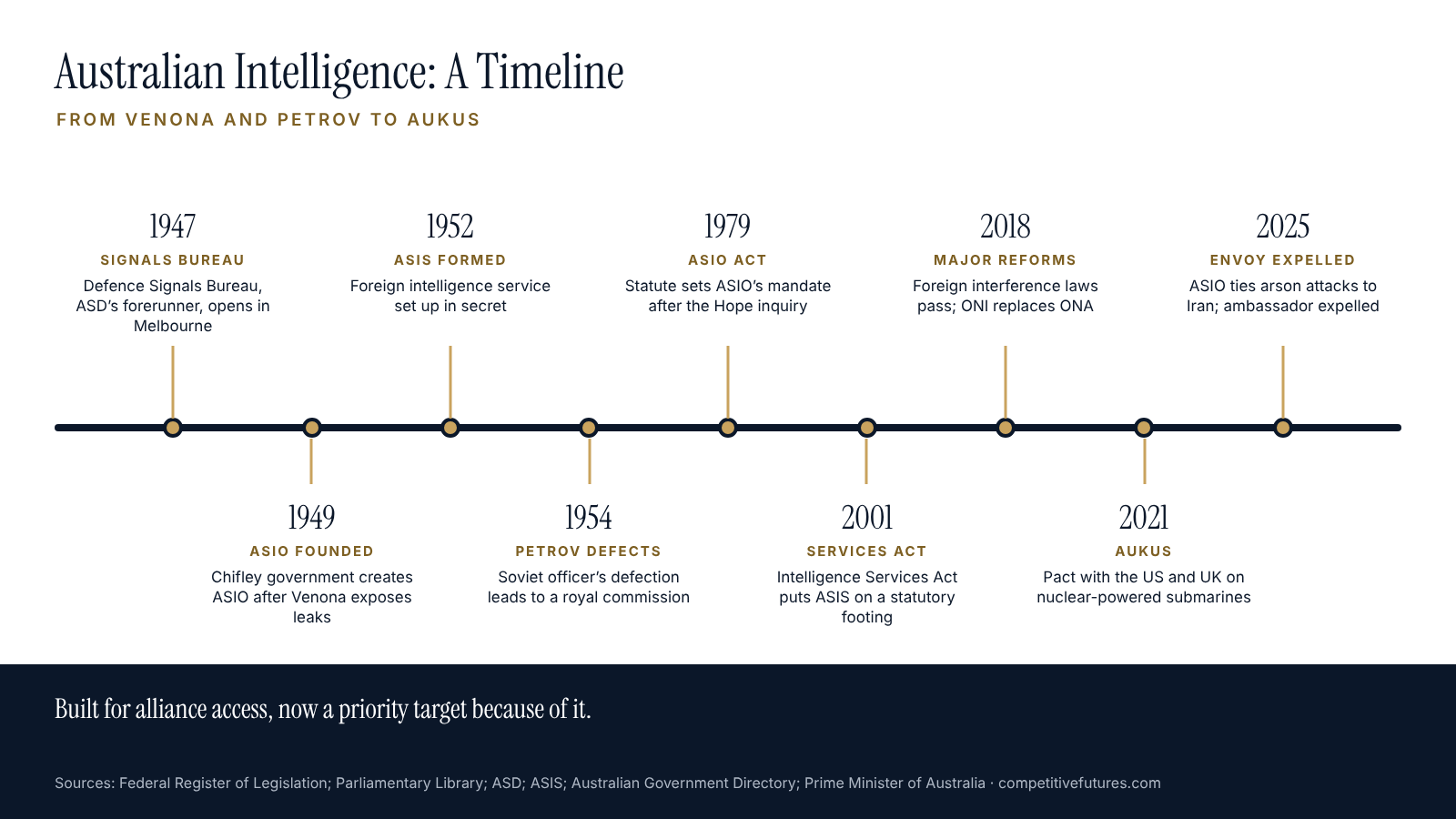
Australia’s modern intelligence system began with a codebreaking unit and a scandal. ASD traces its start to the Defence Signals Bureau, founded in Melbourne on April 1, 1947, with roots in wartime signals work (ASD). In the late 1940s, American and British codebreakers reading Soviet cables, the material known as Venona, had found that Australians in government departments were passing information to Moscow. David Horner’s official history of ASIO records that “Australian citizens in key government departments such as External Affairs were spying on behalf of the Soviet Union,” and that Washington and London cut Canberra off from allied signals intelligence until it fixed the problem. The Chifley Labor government set up ASIO in March 1949. As the journalist Graeme Dobell summed up Horner’s account, “ASIO was the price paid for intelligence access” (ASPI The Strategist; The Conversation).
The foreign intelligence service followed. ASIS was formed in 1952 within the Defence portfolio to collect foreign intelligence, mainly in the Asia-Pacific, and ministerial responsibility moved to the Minister for Foreign Affairs in 1954 (ASIS). Britain provided advice and training, and Prime Minister Robert Menzies told Clement Attlee in 1950 that “Knowledge regarding this scheme has been restricted to the fewest possible here,” according to a 2012 speech by ASIS chief Nick Warner (ASIS speech, via Crikey). The service’s existence was not formally acknowledged until 1977.
The defining Cold War episode came in 1954. On April 3 of that year, Vladimir Petrov, a Soviet diplomat and intelligence officer in Canberra, defected; his wife, Evdokia, was separated from her Soviet escorts at Darwin airport and chose to stay. The affair helped split the Australian Labor Party and led to the formation of the Democratic Labor Party in 1955 (National Museum of Australia). The Royal Commission on Espionage that followed found the Petrovs to be honest witnesses and the Soviet Embassy to have been used for spying from 1943 to 1954, but it recommended that “no prosecutions be launched as a consequence of their inquiry” (National Archives of Australia). For decades afterward, Labor regarded ASIO with suspicion.
The system’s modern shape came from Justice Robert Hope’s two royal commissions, in the 1970s and 1980s. Hope recommended a central assessment agency, which became the Office of National Assessments (ONA), urged greater autonomy for signals intelligence, and his second inquiry produced the office of the Inspector-General of Intelligence and Security (ASPI The Strategist). The ASIO Act followed in 1979. ASIS’s low point came in 1983, in what Warner later called “the ill-conceived and bungled training exercise at the Sheraton Hotel,” and a 1995 commission of inquiry led to the Intelligence Services Act 2001, which made ASIS’s functions and limits public for the first time (ASIS).
The most recent overhaul followed the 2017 Independent Intelligence Review by Michael L’Estrange and Stephen Merchant. It expanded ONA into the Office of National Intelligence, with legislation passed in 2018, made ASD a separate statutory agency, brought the Australian Cyber Security Centre into ASD in July 2018, and widened IGIS and PJCIS oversight to a ten-agency National Intelligence Community (Parliamentary Library). Since the December 14, 2025, attack on a Hanukkah event at Bondi Beach, in which 15 people were killed, ASIO and the Australian Federal Police have been under examination by the Royal Commission into Antisemitism and Social Cohesion. Its April 2026 interim report found that existing laws “did not hinder our agencies in preventing or responding to the Bondi attack,” deferred any conclusion on intelligence failures to closed hearings, and is due to deliver its final report by December 14, 2026 (SBS News). A separate review of ASIO and the AFP by Dennis Richardson was folded into the commission (Department of the Prime Minister and Cabinet).
How Australian intelligence is organized today
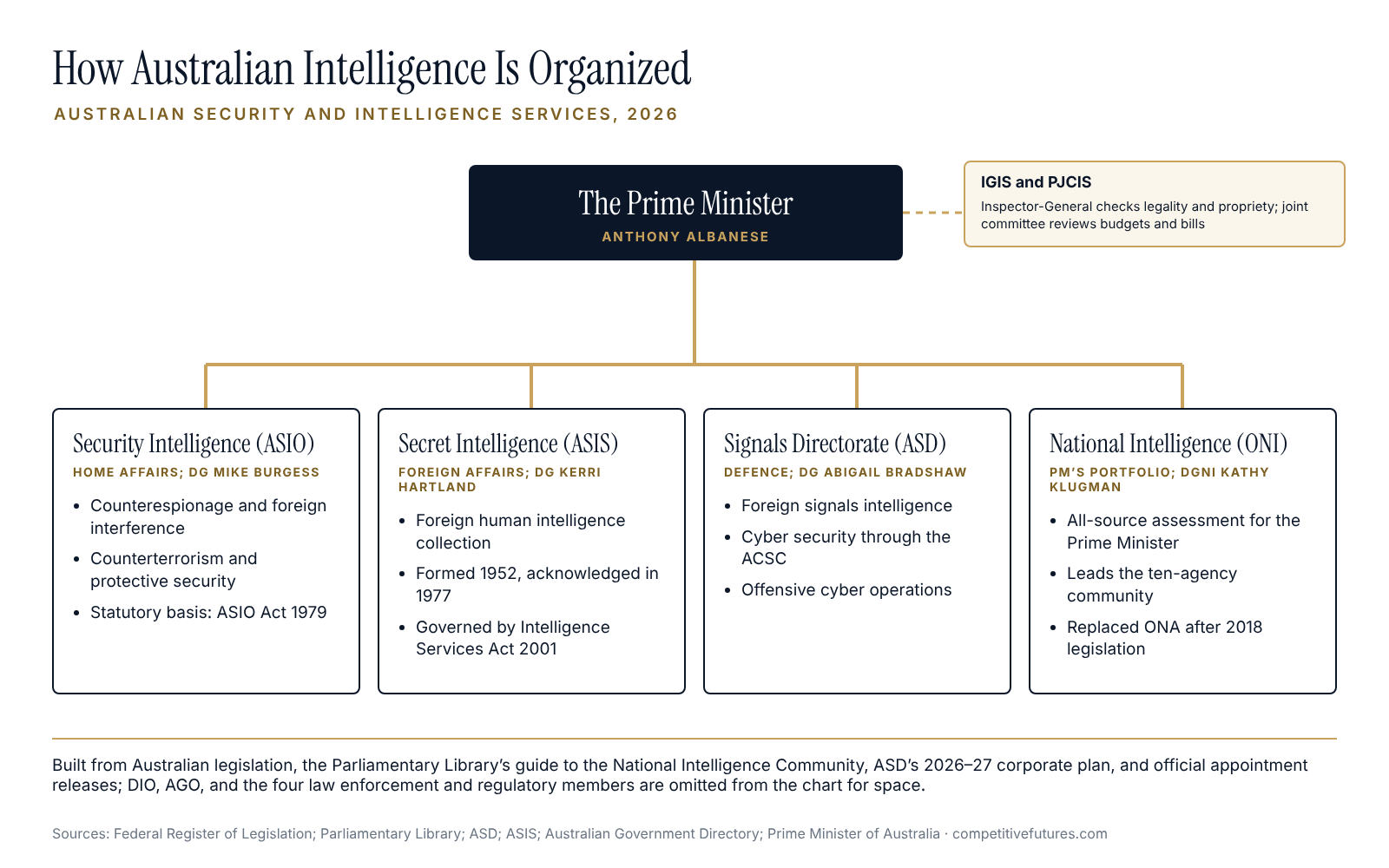
Unlike many governments, Australia publishes the laws, ministers, and oversight bodies for its intelligence agencies. The National Intelligence Community has ten members: six core intelligence agencies, plus the intelligence functions of four law enforcement and regulatory bodies (Parliamentary Library).
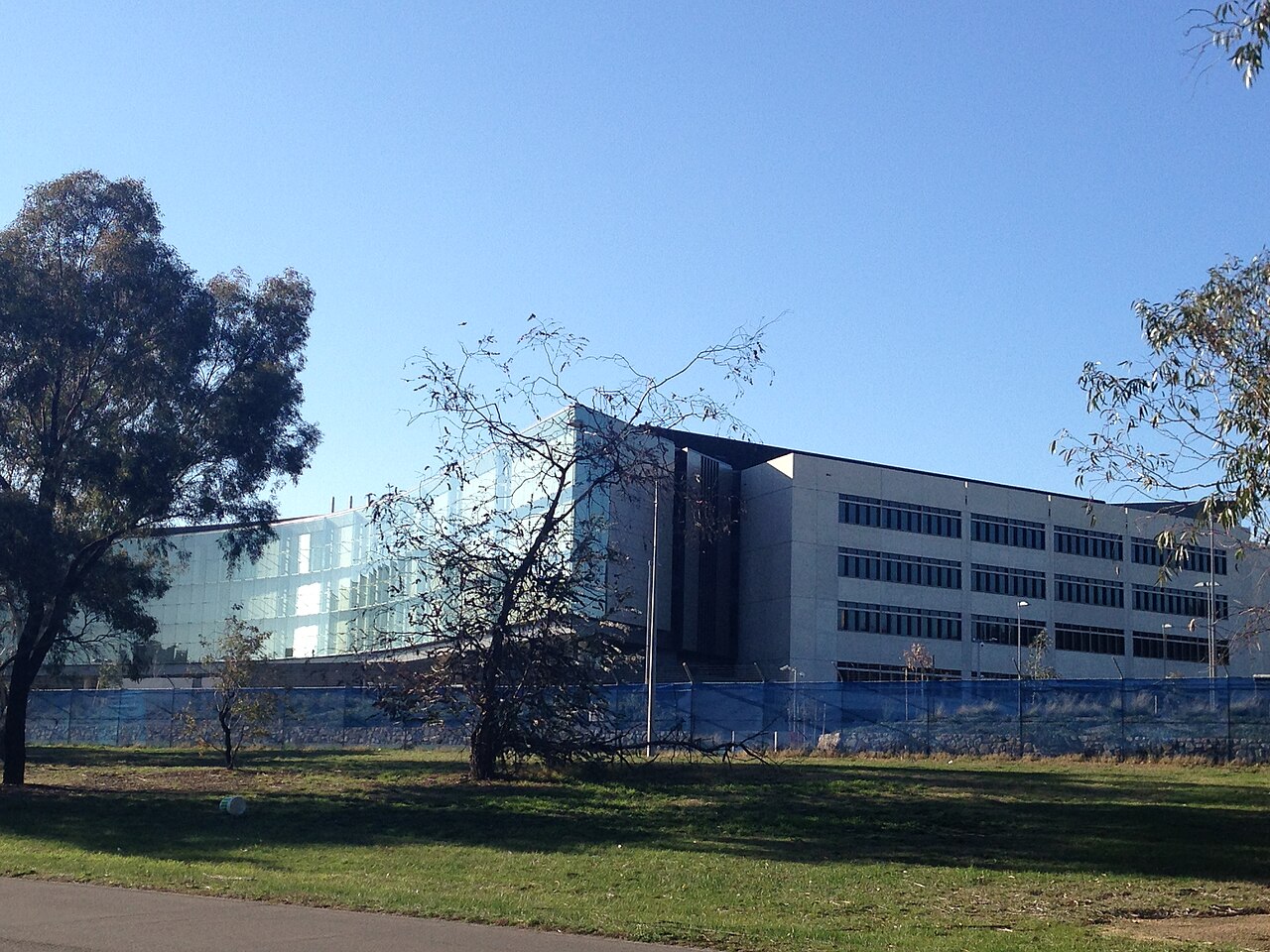
- ONI provides all-source assessments to the Prime Minister and leads and coordinates the community.
- ASIO is the domestic security service, responsible for counterespionage, counter-foreign interference, counterterrorism, and protective security advice. It reports to the Minister for Home Affairs.
- ASIS collects foreign intelligence from human sources and reports to the Minister for Foreign Affairs.
- ASD provides “foreign signals intelligence, cyber security and offensive cyber operations,” in the words of its 2026–27 corporate plan, and reports directly to the Minister for Defence (ASD).
- The Defence Intelligence Organisation (DIO) and the Australian Geospatial-Intelligence Organisation (AGO) provide military assessment and imagery and mapping intelligence within the Defence portfolio.
- The Australian Criminal Intelligence Commission, AUSTRAC (the financial intelligence unit), and the intelligence elements of the Australian Federal Police and the Department of Home Affairs complete the community.
Oversight is layered. The Inspector-General reviews agencies for “legality, propriety and consistency with human rights,” can open inquiries on its own motion, and is not subject to ministerial direction on how it does so (IGIS). The PJCIS reviews the administration and spending of ASIO, ASIS, AGO, DIO, ASD, and ONI each year and examines national security bills referred to it (Parliament of Australia). Hope himself doubted that a parliamentary committee was the right tool, and the PJCIS still examines administration, spending, and legislation rather than individual operations.
A small service in a big alliance
Australia’s agencies are small next to their American and British partners, and their history is a running negotiation over what the alliance costs and what it buys. In 1948, Horner records, an Australian naval attaché in Washington was told that Australia had “a security grading equivalent to that of India or Pakistan,” and the United States made clear it would share material only once a new security service existed (ASPI The Strategist). ASIO was created to restore that access.
Seventy-five years later, the alliance shows up in almost every public statement the agencies make. When ASD named the Chinese state-backed group APT40 in July 2024, it published the advisory jointly with agencies from the United States, the United Kingdom, Canada, New Zealand, Germany, South Korea, and Japan (Australian Cyber Security Centre). Burgess has appeared alongside the other Five Eyes security chiefs, including at a 2023 summit in California. And AUKUS has made Australia a larger target: in his June 2026 threat assessment, Burgess said that “Australia’s defence capabilities and AUKUS remain priority targets for foreign intelligence services,” adding that for some nations, “even ones we consider friendly,” AUKUS “is their top priority target” (Defence Connect).
The other side of the ledger is independence. Hope’s great innovation, a national assessment office answerable to the Prime Minister rather than to any collecting agency, was designed so that Canberra would reach its own judgments about Asia rather than borrow Washington’s or London’s. How ONI balances alliance integration with independent assessment is a useful indicator of Australian strategy in the late 2020s.
Australian intelligence in the news
Most public knowledge of how Australia’s agencies operate comes from eight cases. In several, the core facts come from the agencies themselves, from prosecutors, or from foreign governments, and the people and states accused have rejected the claims or declined to respond.
Timor-Leste, Witness K, and Bernard Collaery (2004–2022)
Timor-Leste alleged that in 2004 ASIS bugged government offices in Dili to give Australia an advantage in negotiating a treaty dividing oil and gas revenue from the Timor Sea. A former ASIS officer known only as Witness K, and his lawyer, Bernard Collaery, prepared affidavits supporting Timor-Leste’s challenge to the 2006 treaty. In 2013, ASIO raided Collaery’s office and Witness K’s home, and in 2014 the government canceled Witness K’s passport before he was due to give evidence in The Hague. In 2018, the two men were charged with conspiring to disclose information about the operation (Canberra Times). Witness K pleaded guilty and in 2021 received a three-month suspended sentence. Collaery pleaded not guilty. On July 7, 2022, Attorney-General Mark Dreyfus ended his prosecution, calling it “an exceptional case,” while maintaining the government’s “longstanding stance” of neither confirming nor denying the bugging (AP via WSLS). Australia and Timor-Leste agreed on a new maritime boundary treaty in 2018. The allegation has never been tested in court.
Sam Dastyari, Huang Xiangmo, and the 2018 laws (2017–2019)
In December 2017, Labor Senator Sam Dastyari announced he would leave the Senate after months of scandal over his ties to Huang Xiangmo, a Sydney-based Chinese businessman and political donor whom Australian security officials had reportedly warned parties against taking donations from. The day before, a government minister had called Dastyari a “double agent.” Dastyari said only that he would “spare the party any further distraction,” and he was never charged with any offense (AFP via Dawn). Earlier reports said he had warned Huang that Australian intelligence was tapping his phone. In June 2018, Parliament passed sweeping espionage and foreign interference laws, and in February 2019 the Home Affairs department canceled Huang’s permanent residency and rejected his citizenship application, reportedly on character grounds (Hong Kong Free Press). That report carried no response from Huang. The 2018 laws are the legal basis for most of the cases below.
The first foreign interference conviction (2020–2024)
In November 2020, the Australian Federal Police charged Di Sanh Duong, a Melbourne man, with preparing for or planning a foreign interference offense, the first prosecution under the 2018 laws. Prosecutors alleged he sought to cultivate Alan Tudge, then the acting immigration minister, through a COVID-19 hospital donation, in order to influence policy in favor of the Chinese Communist Party. Duong’s defense said the donation reflected genuine concern about anti-Chinese sentiment during the pandemic. A jury convicted him on December 19, 2023 (Commonwealth Director of Public Prosecutions). On February 29, 2024, he was sentenced to two years and nine months in prison, eligible for release after 12 months; the judge found Duong believed Tudge “could potentially be persuaded to influence Australian government policy” (AAP via Newcastle Herald).
“The hive is history” and the AUKUS target (2023)
In his February 2023 threat assessment, Burgess said ASIO had removed a “hive” of foreign spies from Australia, declaring that “The hive is history.” He named no country, linked the rising threat to AUKUS, and criticized Australians who advertise their security clearances online (RNZ). In October 2023, at a summit of Five Eyes security chiefs in Palo Alto, California, he described a visiting professor who had been recruited by Chinese intelligence and given a “shopping list of intelligence requirements” before ASIO disrupted the plot and the Chinese national was removed from Australia. China’s embassy rejected the “groundless accusations and smears” (RNZ).
The politician who “sold out” (2024)
In his February 2024 threat assessment, Burgess said a foreign intelligence unit that ASIO called the “A-Team” had, years earlier, recruited a former Australian politician who had “sold out” the country while in office. He declined to name the person or the foreign state. “If I shared the details of who it was, they might figure out how I worked out who it was,” he told SBS. He said the conduct predated the 2018 laws, was not a criminal offense at the time, and that “The matter is resolved now.” Former Treasurer Joe Hockey and opposition leader Peter Dutton called for the person to be identified; Prime Minister Albanese backed the agencies. The analyst Rory Medcalf said the details pointed to China, which ASIO did not confirm (SBS News). No one has been publicly named or charged.
APT40 and Chinese cyber operations (2022–2024)
On July 9, 2024, ASD’s Australian Cyber Security Centre published an advisory, co-sealed by agencies from seven partner countries, assessing that the hacking group APT40 conducts “malicious cyber operations for the PRC Ministry of State Security.” It described two ASD investigations of networks compromised in 2022, including one where the attackers stole data from file shares, and cited earlier U.S. Justice Department findings tying the group to the ministry’s Hainan State Security Department (Australian Cyber Security Centre). China’s Foreign Ministry spokesman Lin Jian said Beijing was “firmly opposed to such repeated hypes about so-called ‘Chinese cyber attacks’” (Cyber Daily).
Iran, arson, and an expelled ambassador (2024–2025)
On August 26, 2025, Prime Minister Albanese said ASIO had assessed that Iran’s government directed at least two antisemitic arson attacks: on the Lewis Continental Kitchen in Sydney in October 2024 and on the Adass Israel Synagogue in Melbourne in December 2024. “Iran has sought to disguise its involvement but ASIO assesses it was behind the attacks,” Albanese said. Burgess said the Islamic Revolutionary Guard Corps (IRGC) directed them through intermediaries and that no Iranian diplomats in Australia were involved; neither official set out the evidence publicly (NPR via GPB). Foreign Minister Penny Wong declared Ambassador Ahmad Sadeghi and three other officials persona non grata, the first expulsion of an ambassador in Australia’s postwar history, and suspended operations at the embassy in Tehran (RNZ). Iran’s Foreign Ministry spokesman, Esmaeil Baghaei, said, “The accusation that has been made is absolutely rejected,” according to the UAE state-owned The National (The National). On November 27, 2025, under new legislation, Australia listed the IRGC as its first “state sponsor of terrorism” (Minister for Foreign Affairs).
The Guan Yin Citta case (2025–present)
On August 2, 2025, the AFP arrested a Chinese national and Australian permanent resident in Canberra and charged her with one count of reckless foreign interference, which carries a maximum of 15 years in prison. Police allege that a Chinese Public Security Bureau tasked her with covertly gathering information on the Canberra branch of Guan Yin Citta, a Buddhist association; the investigation began in March 2025 on information from ASIO. It was the third foreign interference charge laid under the 2018 laws and the first involving alleged interference in a community group (Australian Federal Police). In February 2026, two more Chinese nationals, whose names are suppressed, were charged in the same operation (Busselton-Dunsborough Times). The charges are allegations, and no trial outcome had been reported as of this writing.
How to read coverage of Australian intelligence
Australia is easier to research than most countries, because so much is on the public record: legislation, committee reports, IGIS reports, sentencing remarks, and ASIO’s annual threat assessment. That openness has its own trap. ASIO’s public statements are advocacy as well as information, and they often describe cases without naming the country, the person, or the evidence, as in the “sold out” and “hive” disclosures. Treat them as the agency’s assessment, not as a court finding.
Chinese and Iranian denials come from governments with every reason to deny, and some coverage comes from state-owned outlets such as the UAE’s The National or China’s Global Times. The discipline is the one taught in our guides to trend analysis and cognitive bias: climb toward primary records. For Australia, that means the Federal Register of Legislation, Commonwealth Director of Public Prosecutions case reports, court judgments, royal commission reports, and Australia’s Foreign Influence Transparency Scheme register. For foreign governments lobbying in Washington on Australian issues, the U.S. Justice Department’s database of registered foreign agents is the place to check (FARA eFile). When a story rests on a single unnamed official, treat it as a lead, not a finding.
Frequently asked questions
What is Australia’s intelligence agency called?
Australia has several. The best known is the Australian Security Intelligence Organisation (ASIO), the domestic security service founded in 1949. Foreign human intelligence is collected by the Australian Secret Intelligence Service (ASIS), signals intelligence and cyber security are handled by the Australian Signals Directorate (ASD), and the Office of National Intelligence (ONI) coordinates the ten-agency National Intelligence Community.
Who heads Australian intelligence?
Kathy Klugman, Director-General of National Intelligence, heads ONI and leads the intelligence community; she succeeded Andrew Shearer. Mike Burgess has led ASIO since 2019, with a term running to 2029. Kerri Hartland has led ASIS since February 2023, and Abigail Bradshaw has led ASD since September 2024.
Is Australia part of the Five Eyes?
Yes. Australia shares intelligence with the United States, the United Kingdom, Canada, and New Zealand, and its agencies regularly publish joint advisories and appear alongside their partners. Since 2021 it has also been a member of AUKUS, which ASIO says has made Australia’s defense programs a priority target for foreign intelligence services.
Related reading
- Qatari Intelligence: History, Structure, and the Headlines
- South Korean Intelligence: History, Structure, and the Headlines
- Trend Analysis: How to Tell a Real Trend From Media Hype
- Cognitive Bias: A Field Guide for Leaders
Competitive Futures briefs companies and governments on intelligence services, foreign influence, and Australia and the Indo-Pacific; details are on the services page.