French Intelligence: History, Structure, and the Headlines
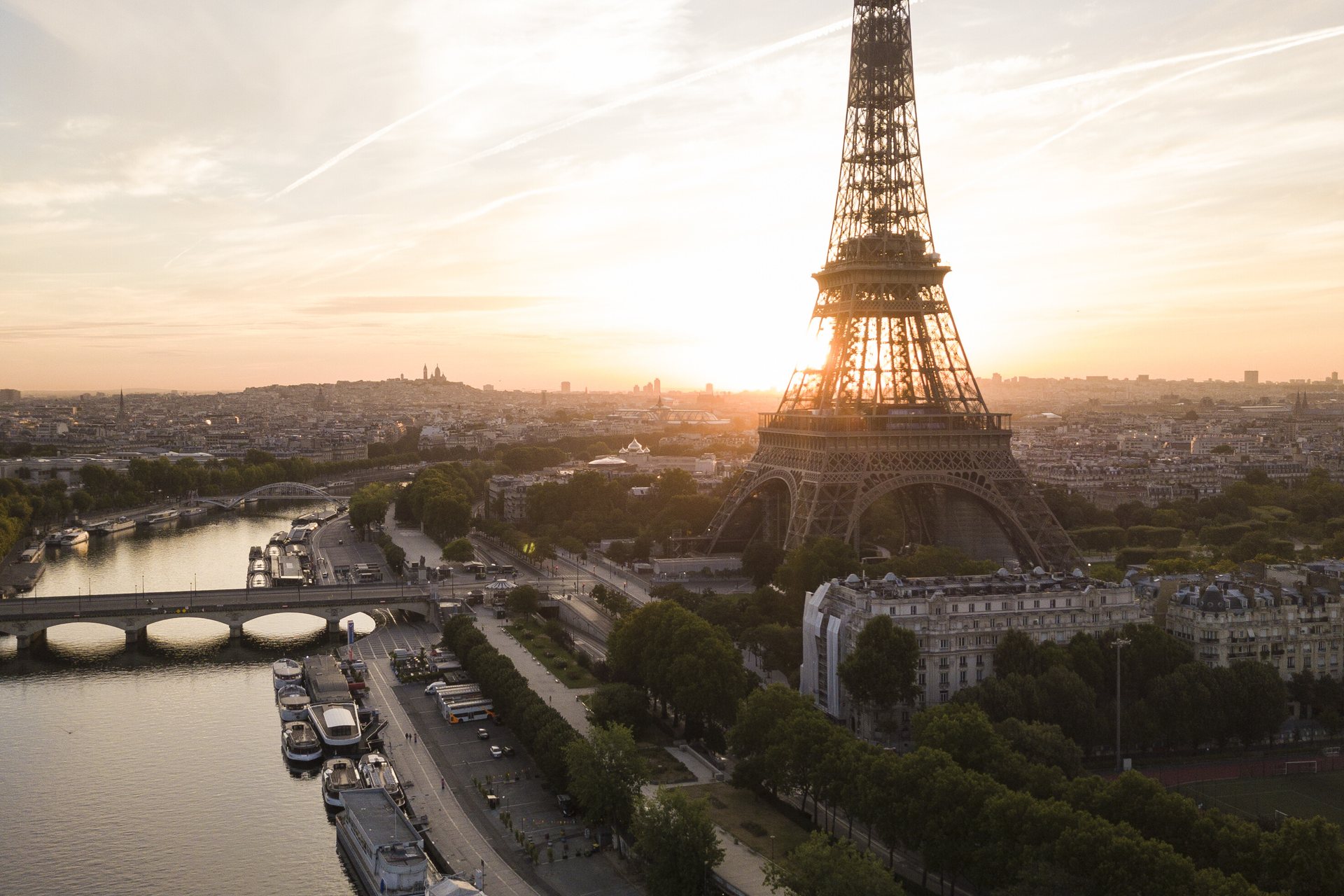
France runs the most capable intelligence system in continental Europe. It is the European Union’s only nuclear power and a permanent member of the UN Security Council. It has deep security ties across Africa and the Middle East, and since 2022 it has been one of the main targets of Russian influence and sabotage campaigns. French services have broken famous cases and caused famous scandals, from Napoleon’s secret police and the Dreyfus affair to the sinking of the Rainbow Warrior. More than most Western countries, France has spent the past decade turning a secretive system into one run by statute.
This page is a working overview of French intelligence: where it came from, how it is organized and overseen today, and the cases that have put it in the news. It relies on French government and parliamentary records, court reporting, statements by the services’ own directors, and named reporting. It notes where a claim comes from a party with an interest in the outcome.
French intelligence at a glance
- Foreign intelligence: the Directorate-General for External Security (Direction générale de la sécurité extérieure, DGSE), under the Ministry of the Armed Forces. Its director general is Nicolas Lerner, in post since January 9, 2024. The service says it has 7,200 staff (DGSE). Lerner previously ran the domestic service from the summer of 2018 and succeeded Bernard Émié (Ministry of the Armed Forces).
- Domestic intelligence: the Directorate-General for Internal Security (Direction générale de la sécurité intérieure, DGSI), under the Ministry of the Interior. Its director general is Céline Berthon, appointed on December 20, 2023 (DGSI). She testified to the National Assembly’s defense committee in that role on June 3, 2026 (National Assembly).
- Military intelligence: the Directorate of Military Intelligence (Direction du renseignement militaire, DRM), led by a general officer (Ministry of the Armed Forces). In June 2026 its director, General Jacques Langlade de Montgros, was named to head the French Army (AASSDN).
- Defense security and counterintelligence: the Directorate of Intelligence and Security of Defense (Direction du renseignement et de la sécurité de la défense, DRSD), headed by General Aymeric Bonnemaison (National Assembly).
- Coordination: the National Intelligence and Counter-Terrorism Coordinator (CNRLT) at the Élysée Palace, currently the prefect Pascal Mailhos, who reports to the President’s National Intelligence Council (Élysée).
- Oversight: the National Commission for the Control of Intelligence Techniques (CNCTR), chaired by Vincent Mazauric since March 28, 2025 (CNCTR), and Parliament’s intelligence delegation, the DPR, made up of four deputies and four senators (National Assembly).
- Relationship with the United States: close but independent. The two countries have had diplomatic relations since 1778. The U.S. State Department says they “work closely on many issues, most notably in combating terrorism,” and it describes France as one of NATO’s top five troop contributors (U.S. Department of State). France is not a member of the Five Eyes signals intelligence alliance.
History: from Napoleon’s police to the statute book
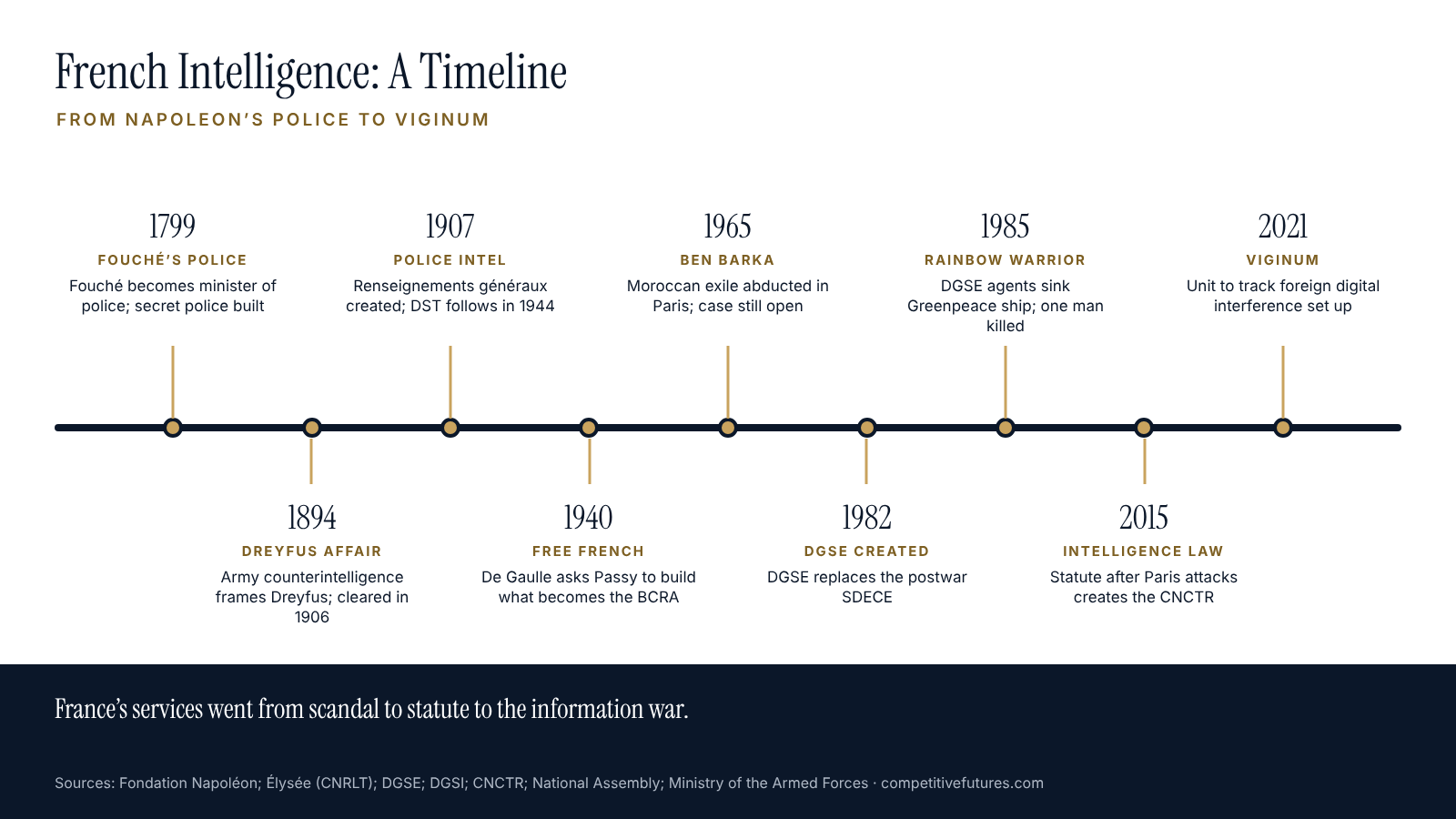
France’s habits of state surveillance are older than any of its current agencies, and under Napoleon they became a system. Joseph Fouché served as minister of general police from July 1799, again from 1804 to 1810, and once more during the Hundred Days in 1815. He reorganized the police from top to bottom, created the Paris police prefecture in 1800, and built a secret police backed by what the Fondation Napoléon describes as a vast surveillance network, alongside censorship of the press and the theater (Fondation Napoléon).
Napoleon’s government also read other people’s mail. Under the Empire, a “bureau secret” at the post office went on handling letters from foreign ministers and prominent figures, including members of the imperial family, and a daily digest reached the emperor; from 1806, after the Continental Blockade decree, opening letters from England became official policy. Antoine de Lavalette, postmaster general from 1804 to 1814, shared with Napoleon the keys to the dispatch cases of the imperial courier service. The Chappe optical telegraph, reserved for government use by an 1800 decree, carried coded messages that the relay operators themselves could not read (Fondation Napoléon).
In the field, Napoleon relied on agents such as Karl Ludwig Schulmeister, an Alsatian smuggler whose missions were directed by General Savary, the future duke of Rovigo. Schulmeister’s part in the Austrian surrender at Ulm in October 1805 has grown in the retelling, and the Fondation Napoléon treats parts of the story as legend. It records that he became police commissioner in occupied Vienna in November 1805 and ran a network of informants that reached into Hungary (Fondation Napoléon).
Modern French intelligence came out of a disaster. In September 1894, the French Army’s counterintelligence office, the Section de statistique, recovered a torn, unsigned letter from the wastebaskets of the German embassy in Paris. The letter pointed to a French officer selling secrets. Captain Alfred Dreyfus was convicted on the strength of a secret file shown to his judges and sentenced to deportation for life. The real author, Major Esterhazy, was acquitted in January 1898. Major Henry of the Section de statistique then forged a letter meant to prove Dreyfus guilty. On July 12, 1906, France’s highest court annulled the last conviction and Dreyfus was cleared (Ministry of Justice). The affair split French politics for a decade and left a lasting suspicion of military intelligence acting on its own.
Domestic security grew up inside the police. The DGSI traces its roots to the Renseignements généraux, the police intelligence branch created in 1907, and to the Direction de la surveillance du territoire (DST), the counterespionage service founded in 1944 (DGSI).
Foreign intelligence traces its roots to the Second World War. On July 1, 1940, General Charles de Gaulle asked André Dewavrin, known as Colonel Passy, to create an intelligence service for Free France in London. In 1942 it took the name Bureau central de renseignement et d’action (BCRA). Passy went on to build the postwar foreign service, the SDECE, and today’s DGSE calls itself the BCRA’s heir (DGSE).
The SDECE’s Cold War record included one scandal that still has not been closed. On October 29, 1965, the Moroccan opposition leader Mehdi Ben Barka was abducted outside the Brasserie Lipp in Paris, and his body has never been found. A 1967 trial found that Moroccan secret services planned the kidnapping with the help of French police officers and criminals. A judicial investigation open since 1975, the oldest in France, is still with an investigating judge in Paris. Ben Barka’s son says requests for legal assistance sent to Morocco have gone unanswered (Brut).
The SDECE was replaced by the DGSE in 1982; the service marked its 40th anniversary in 2022 (DGSE). On the domestic side, the DGSI was created as a directorate-general on April 30, 2014 (DGSI).
For most of their history the services operated with little law behind them. That changed in 2015. After the January 2015 attacks in Paris, Parliament passed a comprehensive intelligence law. It set out what the services may do, created the CNCTR to review surveillance requests before they are carried out, and gave the Conseil d’État jurisdiction over complaints. On July 23, 2015, the Constitutional Council struck down an emergency surveillance power and the law’s first framework for international surveillance. It upheld the so-called black boxes, the algorithms that require network operators to help detect suspicious online behavior (Le Monde du droit; CNCTR).
How French intelligence is organized today
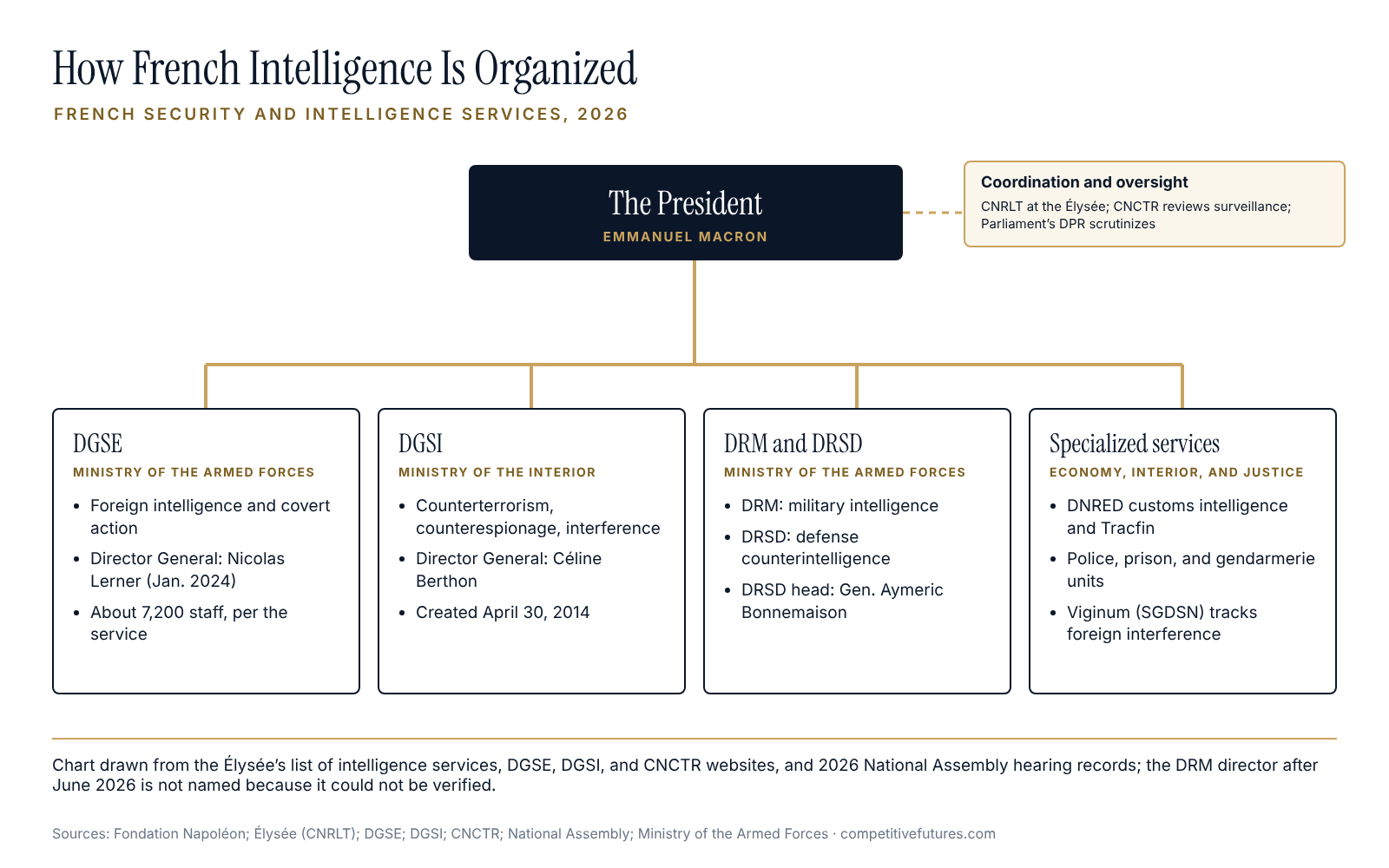
The Élysée publishes the list of services that make up the intelligence community. It names ten intelligence services (Élysée):
- DGSE (Ministry of the Armed Forces): foreign human and technical intelligence, and covert action abroad. Its stated goals include detecting and stopping, “outside the national territory, the threats targeting France and the French nationals” (DGSE).
- DGSI (Ministry of the Interior): counterterrorism, counterespionage, and protection against foreign interference. It is the lead service for counterterrorism and also has judicial police powers (Élysée).
- DRM (Ministry of the Armed Forces): military intelligence for operations and planning, led by a general officer.
- DRSD (Ministry of the Armed Forces): counterintelligence and security for the armed forces and the defense industry.
- DNRED (Ministry of the Economy): customs intelligence and investigations.
- Tracfin (Ministry of the Economy): France’s financial intelligence unit.
- Police intelligence: the Paris Police Prefecture’s intelligence directorate (DRPP) and the national territorial intelligence directorate (DNRT).
- Prison and gendarmerie intelligence: the prison intelligence service (SNRP) and the gendarmerie’s anticipation unit (SDAO).
Above them sits a small coordination layer at the Élysée. The National Intelligence Council and a national coordinator were set up in 2008. A decree of June 14, 2017, created the CNRLT, which joined the coordinator’s role with leadership of counterterrorism work across the services. The coordinator proposes priorities to the President and pushes the services to share intelligence and technical resources (Élysée). The Élysée’s page on the coordinator, last updated in February 2025, names the prefect Pascal Mailhos. Oversight comes from three directions. The CNCTR, a nine-member body of judges, members of Parliament, and a technical expert, reviews requests to use surveillance techniques before they go ahead (CNCTR). The DPR scrutinizes intelligence policy, and its 2025 annual report, published on April 27, 2026, made ten recommendations ten years after the 2015 law. Parliament also audits the services’ special funds (National Assembly).
Two features set the French system apart. First, it is presidential. The services answer to ministers, but priorities are set at the Élysée, and foreign intelligence is tied closely to France’s diplomacy and military operations in Africa and the Middle East. Second, the line between foreign and domestic threats has blurred. Nicolas Lerner told a parliamentary inquiry in October 2025 that in 2022 Paris hosted “plus de 80 agents de renseignement russe sous couverture diplomatique,” more than 80 Russian intelligence officers under diplomatic cover. He also said foreign services now run organized “lignes d’opérations” against elections, citing Romania and Moldova (National Assembly).
Intelligence after the 2015 attacks
The 2015 attacks in Paris, in January and November, reshaped French intelligence more than any event since the war. The first change was legal: the July 2015 law gave the services a statutory list of techniques and an independent reviewer.
The second change was organizational. The DGSI is the designated lead service for counterterrorism, and the 2017 creation of the CNRLT gave the President a standing counterterrorism coordinator at the Élysée (Élysée). In November 2025, the DGSE’s Lerner told Le Figaro, as reported by the Moroccan outlet Hespress, that the probability of the same combination of factors that made the 2015 attacks possible recurring is now “très faible,” or very low. He called Africa the world center of jihadism (Hespress).
The third change came later and points in a different direction. In July 2021, a decree created Viginum, a unit attached to the Secretariat-General for National Defense and Security (SGDSN). Its job is to identify foreign digital interference operations that could harm the fundamental interests of the nation (Le Monde du droit). Lerner told deputies that Viginum will be the main body responsible for upcoming elections, with the DGSE supporting it on operations run from abroad (National Assembly). By June 2026, the DGSI’s Berthon was describing a “menace à 360 degrés.” She told the defense committee that the threat is “non plus seulement terroriste, mais aussi d’ingérence,” no longer only terrorist but also one of interference, and she singled out Russia and Iran. The DRSD’s Bonnemaison reported that drone overflights of defense and defense-industry sites doubled in 2025 (National Assembly). The services built to stop jihadist terrorism now also defend the information space.
French intelligence in the news
Most public knowledge of French intelligence comes from the seven cases below. In each one, the allegations come from prosecutors, courts, foreign governments, or reporters. The account notes where the accused party denied them, did not comment, or was convicted.
The sinking of the Rainbow Warrior (1985–1987)
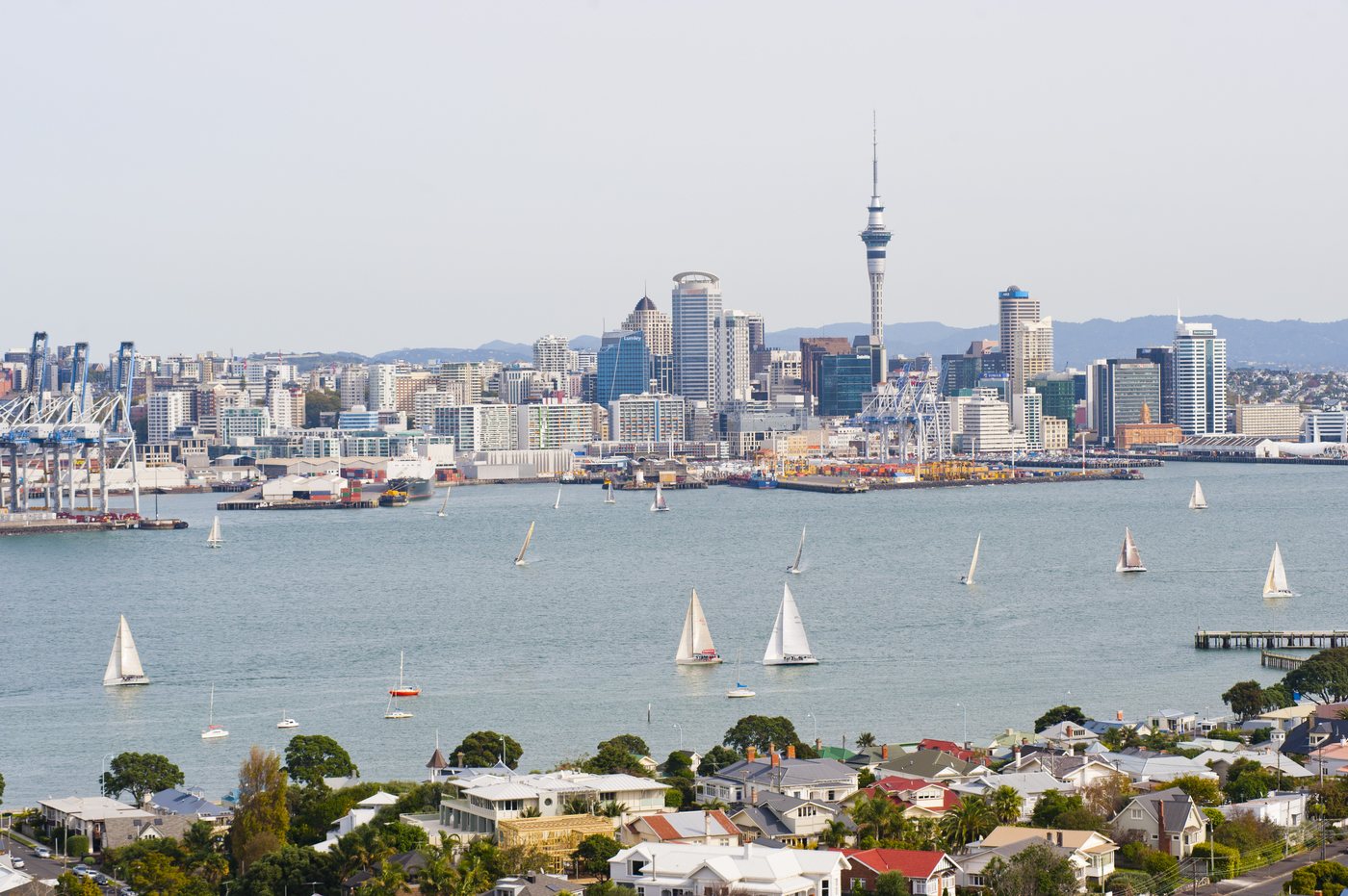
On July 10, 1985, two bombs sank the Greenpeace ship Rainbow Warrior in Auckland harbor, killing the crew member Fernando Pereira. New Zealand police arrested two French agents, Alain Mafart and Dominique Prieur. On November 4, 1985, they pleaded guilty to manslaughter and willful damage, and they were sentenced to ten years in prison. In September 1985, Defense Minister Charles Hernu resigned and the DGSE’s director, Admiral Pierre Lacoste, was dismissed (New Zealand Herald). On September 22, 1985, Prime Minister Laurent Fabius acknowledged on television that French agents had sunk the ship acting on orders. Under a UN-assisted agreement, the two agents were moved to France’s Hao atoll for three years, but France brought them home within two years. In October 1987, an arbitration tribunal ordered France to pay Greenpeace US$8.1 million in damages (Greenpeace Australia Pacific, a party to the case). The bombing remains the defining scandal in the DGSE’s history.
DGSE officers convicted of spying for China (2020)
In July 2020, a Paris court convicted two retired DGSE officers, identified in court reporting as Pierre-Marie H. and Henri M., of passing intelligence to a foreign power, China. Pierre-Marie H. was sentenced to 12 years and Henri M. to eight. Pierre-Marie H. had been recalled from Beijing after an affair with the French ambassador’s Chinese interpreter, whom he later married; she was convicted of concealment and sentenced to four years, two of them suspended. Henri M. had been arrested at a Swiss airport carrying cash after meeting a Chinese contact on an Indian Ocean island (AFP via South China Morning Post). The coverage cited did not report a response from the Chinese government. It is one of the few convictions of DGSE officers for espionage to be made public.
The French hostages in Iran (2022–2026)
Cécile Kohler and Jacques Paris were arrested in May 2022 while visiting Iran. After a closed-door trial, Iran sentenced Kohler to 20 years and Paris to 17 on charges of spying for France and Israel. Their families say the trip was purely tourist travel, and France called the detention “unjustified and unfounded.” In October 2022, Kohler appeared on Iranian television in what activists called a forced confession. On November 5, 2025, President Macron announced their conditional release to the French ambassador’s residence in Tehran. Iranian officials had linked their case to that of Mahdieh Esfandiari, an Iranian citizen arrested in France in February 2025 and released on bail in October (Al Jazeera, which is funded by the Qatari state). In April 2026, Iran allowed them to leave the country, and they were received by Macron in Paris (AP via WTOP).
The four French agents in Burkina Faso (2023–2024)
In December 2023, Burkina Faso’s military government detained four French nationals in Ouagadougou. They were held for a year. Reuters, in a report carried by The Star, wrote that the DGSE’s chief had previously said the four were spies. Burkina Faso did not make specific charges public. In December 2024, they were released after mediation by Morocco. The Élysée said Macron thanked King Mohammed VI for mediation “which made possible the liberation of our four countrymen,” and Morocco’s foreign ministry called the release “this humanitarian act” (Reuters via The Star). The case showed France depending on a partner government’s channels to resolve a crisis in the Sahel.
Portal Kombat and Storm-1516 (2023–2025)
Viginum has become France’s public attributor of foreign influence operations. In February 2024, it published a report on “Portal Kombat,” a network of at least 193 websites that publish no original content. The sites machine-translate and relay Russian and pro-Russian material. According to the report, the network was built by a private Russian actor in 2013 and reactivated after the invasion of Ukraine to target France, Germany, and Poland. Viginum called it a structured and coordinated pro-Russian propaganda network and a foreign digital interference operation (Next).
In May 2025, Viginum said it had tracked nearly 80 campaigns by a Russian operation known as Storm-1516 between August 2023 and early March 2025. It described the operation as a significant threat to public debate in France and across Europe (The Local). The Kremlin has long rejected such accusations. In December 2018, its spokesman Dmitry Peskov said, “We have not interfered and will not interfere in the internal affairs of any countries, including France” (The Moscow Times). Pro-Russian sites also target French officials directly. In 2025, they spread a false claim that Berthon had resigned (Euronews).
The coffins and the red hands (2024–2025)
In June 2024, five coffins draped in French flags and marked “French soldiers of Ukraine” were left at the Eiffel Tower. Three men, a Bulgarian, a German, and a Ukrainian, were questioned. A judge declined to charge them at first and placed them under assisted-witness status (AP via WKMG). By October 2025, the prosecutor’s office said a warrant had been issued for their arrest (AP via WTOP).
In May 2024, red handprints were painted on the Wall of the Righteous at the Shoah Memorial in Paris. On October 31, 2025, a Paris court convicted four Bulgarian men. Georgi Filipov and Kiril Milushev received two years, and Nikolay Ivanov received four. The alleged organizer, Mircho Angelov, received three years in his absence and remains at large. Filipov and Milushev expressed regret and said Angelov paid them. Ivanov denied responsibility and denied pro-Russian ties. French intelligence linked the operation to a Russian destabilization campaign, and the court found it was foreign interference meant to divide French society but held that this did not reduce the defendants’ own responsibility (AP via WTOP). The Paris prosecutor’s office had said the act was possibly orchestrated by Russian intelligence services, and Viginum found it was amplified on X by actors linked to Russia (AFP via The Local). Russia has not been found responsible by any court.
The pig heads at Paris mosques (2025–present)
In early September 2025, pigs’ heads were left outside nine mosques in and around Paris, several marked with President Macron’s name. Prosecutors opened an investigation. Paris police concluded that foreign nationals traveling in a car with Serbian plates had placed them. Paris prosecutor Laure Beccuau said investigators could be convinced these were acts of interference, while Le Monde reported that investigators had no concrete evidence of Russian involvement. Serbian authorities arrested 11 Serbian citizens on suspicion of conspiring to commit racial discrimination and espionage. The alleged ringleader remained at large (Radio Free Europe/Radio Liberty, which is funded by the U.S. government). No trial outcome had been reported in the sources cited.
How to read coverage of French intelligence
France is easier to research than most countries. The National Assembly publishes transcripts of hearings with the heads of the DGSE, DGSI, and DRSD; the DPR and the CNCTR publish annual reports; and Viginum publishes technical reports on foreign operations. Start there, in French where possible.
Three cautions apply. Much dramatic reporting on the DGSE rests on leaks and memoirs that are rarely confirmed. France is itself a target of disinformation, and fake stories about its services, like the invented Berthon resignation, can be dressed up as Le Monde articles. And many sources have their own interests: Iranian state media on French “spies,” Russian state outlets on French policy, Moroccan and Algerian outlets on intelligence cooperation, and Greenpeace on the Rainbow Warrior. Use the same discipline taught in our guides to evaluating forecasts and cognitive bias. For foreign lobbying aimed at Washington by France or its rivals, the U.S. Justice Department’s database of registered foreign agents under the Foreign Agents Registration Act (FARA eFile) is the primary record.
Frequently asked questions
What is France’s intelligence agency called?
France has several. The foreign intelligence service is the DGSE (Direction générale de la sécurité extérieure), under the Ministry of the Armed Forces, and the domestic security service is the DGSI (Direction générale de la sécurité intérieure), under the Ministry of the Interior. The DRM, DRSD, DNRED, Tracfin, and several police, prison, and gendarmerie units complete the community.
Who heads French intelligence?
Nicolas Lerner has been director general of the DGSE since January 2024, and Céline Berthon has headed the DGSI since her appointment in December 2023. The services are coordinated at the Élysée by the National Intelligence and Counter-Terrorism Coordinator, the prefect Pascal Mailhos, under the authority of the President.
Who oversees French intelligence?
Under the 2015 intelligence law, the independent CNCTR reviews requests to use surveillance techniques before they are authorized, and the Conseil d’État hears complaints. Parliament’s intelligence delegation, the DPR, made up of four deputies and four senators, scrutinizes intelligence policy and publishes an annual report, and Parliament also audits the services’ special funds.
Related reading
- Intelligence Services Around the World: Structure, History, and the Headlines
- Qatari Intelligence: History, Structure, and the Headlines
- British Intelligence: History, Structure, and the Headlines
- How to Evaluate a Forecast
Competitive Futures briefs companies and governments on intelligence services, foreign influence, and France, Europe, and Africa; details are on the services page.