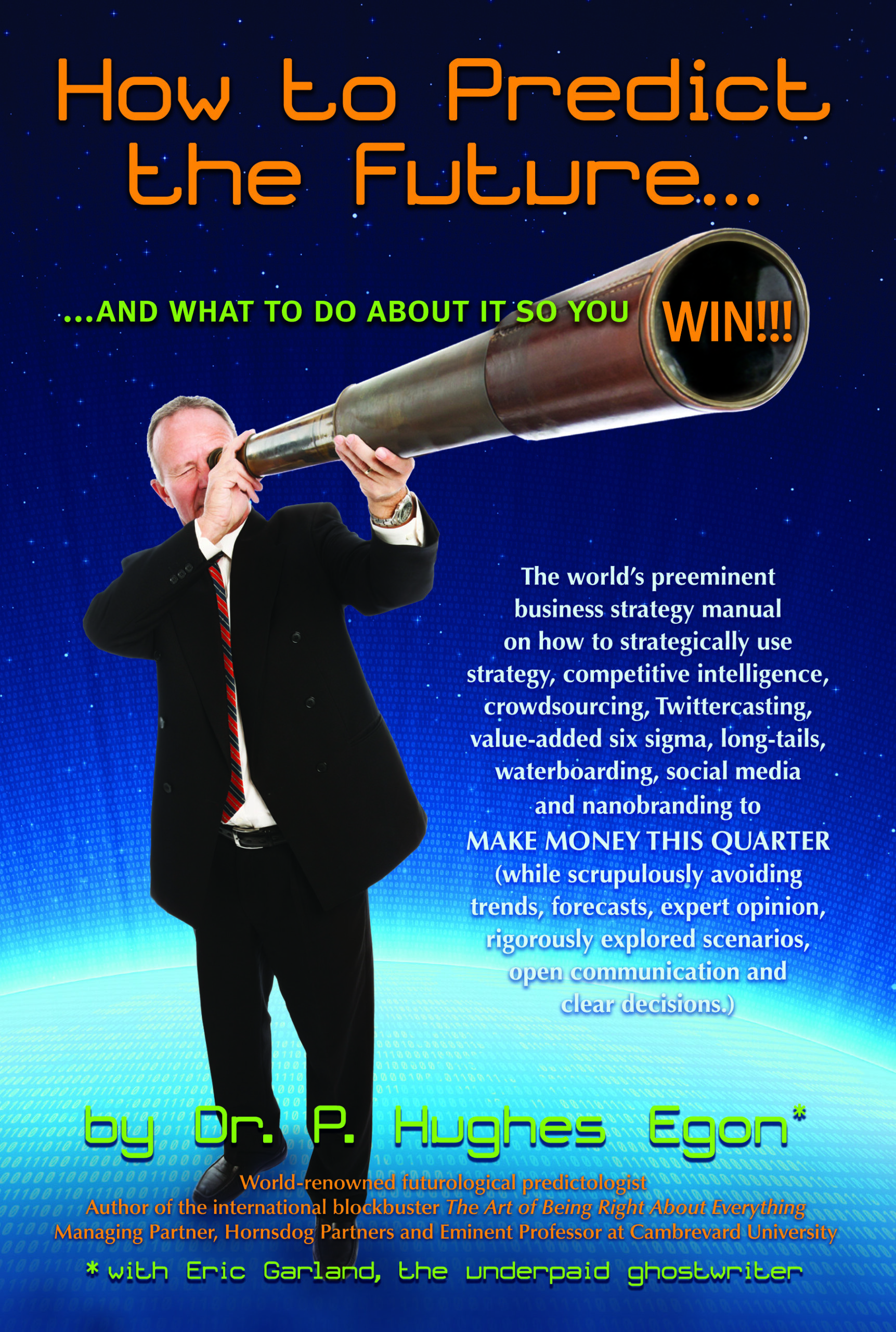
I Wrote a Book About Predicting the Future in 2011. Here’s My Scorecard.

In 2011 I published my second book, my favorite, called How to Predict the Future…and WIN! Most of it is satire: twenty-five terrible tips for thinking about the future, delivered by a fictional strategy guru named Dr. P. Hughes Egon, a composite of every empty suit who ever said “the future” while staring at next quarter. After each of his tips, I added my own serious view. And in those serious sections, I made forecasts.
Fifteen years later, the world is stranger and harder to predict than almost anyone expected. So it is time to do what I tell clients to do, and what almost no pundit ever does: go back and grade the forecasts.
One line from the book sets the terms. I wrote, “Intelligence is always wrong, it’s just a question of by how much.” Let’s find out by how much.
How I’m grading
Each forecast below is quoted from the 2011 text and graded against today’s best primary data:
- Hit: it happened, more or less as described.
- Partial: the direction was right, but the size or timing was wrong.
- Stinker: wrong. Sometimes spectacularly.
The hits
1. The collapse of media authority
In 2011: “The vestiges of 20th century mass media are dissolving with incredible rapidity.” Social media, I argued, “corrodes the automatic credibility that was associated with mass broadcasting,” and click tracking would push the major media toward “increasingly sensationalistic pabulum.” The question for every decision-maker would become: to whom should we listen?
In 2025, Gallup found that just 28% of Americans trusted the mass media a great deal or a fair amount, a record low for the third year running. In 1972, it was 68% (Axios, reporting Gallup data). I had been making this argument since my 2009 talk on social media and the crisis of authority. I wish I had been wrong.
2. The side effects of the smartphone
In 2011 I listed the implications of a people who “can maintain relationships digitally, virtually anywhere,” including “social isolation in the real world,” “police accountability through camera phones” and “real-time surveillance of a population.”
In 2023, the U.S. Surgeon General issued a formal advisory on what it called an epidemic of loneliness and isolation (HHS). Bystander video has become central evidence in police misconduct cases. And the surveillance half of the bargain needs no citation; it is in your pocket.
3. Too big to fail as standard operating procedure
In 2011, writing about a world run by ever fewer and ever larger institutions: “should the system of a few large players receive a shock, bailouts are required to keep the rest of the system from collapsing… this behavior is not a hypothetical, but, instead, standard operating procedure.”
In March 2023, when Silicon Valley Bank and Signature Bank failed, Treasury, the Federal Reserve and the FDIC invoked a “systemic risk exception” so that all depositors, insured or not, would be made whole (Federal Reserve). Standard operating procedure, as advertised.
4. Bigger shocks than 9/11 and 2008
In 2011: “The world will have even stronger shocks to the system than terrorist attacks and financial bailouts in the years to come,” and “our institutional design is not robust or resilient enough to survive this uncertainty.”
Then came a pandemic that shut down the global economy. It was not even a surprise to the people paid to watch for it. In September 2019, the Global Preparedness Monitoring Board warned of “a very real threat of a rapidly moving, highly lethal pandemic of a respiratory pathogen” (GPMB, A World at Risk). The warning existed. The institutions were not built to act on it, which was the whole thesis of my book.
5. Everything, digital, everywhere
In 2011: “Every [piece] of writing, music and film ever created will be available digitally, everywhere on earth, sometime this century.” With most of the world’s music, film and books now a search away on a phone, the century has a comfortable head start.
6. China’s long game for raw materials
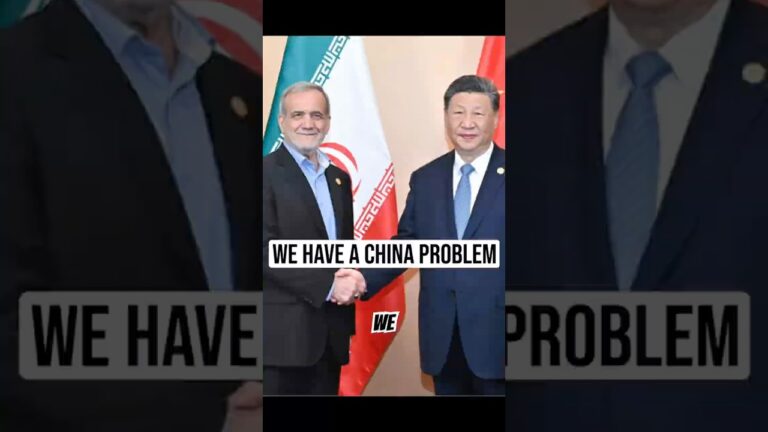
In 2011, while the business press obsessed over gadgets, I wrote that “China is reaching strategically into Africa with long-term contracts that will guarantee them access to raw materials for the next century of manufacturing,” and that “ball bearings are more important than 3D televisions.”
By 2024, China accounted for more than 95% of the world’s refined rare earths and battery-grade graphite and about 70% of lithium chemicals (IEA Global Critical Minerals Outlook 2025, via Mercom). In October 2025, Beijing used that position as a weapon, announcing export controls on rare earth materials, equipment and technology that reach even products made outside China (Mayer Brown). The 3D televisions, meanwhile, are gone. This one gets its own post soon.
7. Afghanistan
Even Dr. Egon got one right, by accident. His satirical advice was to go ahead and occupy Afghanistan, since the last major power’s catastrophe there was surely no guide to the present. My serious note underneath: everybody gets their butt kicked in Afghanistan, even the biggest empires of their day. In August 2021, the Taliban returned to power in Kabul as the last U.S. forces left.
The partials
8. Baby Boomers and the cost of care
In 2011: “The Baby Boom generation is huge, and getting old quick, and the cost of their healthcare will bankrupt most countries.”
The pressure is real. The 2026 Medicare Trustees Report projects that Medicare’s Hospital Insurance trust fund will be depleted in 2033 (American Hospital Association). But “bankrupt most countries” was hyperbole, and no country has gone bankrupt from it. I was telling people to “tell it to them straight.” I told it to them a little too loud.
9. Automation and global unemployment
In 2011: “One of the critical problems of tomorrow will likely be global unemployment stemming from increasingly specialized market niches and robotic automation of a variety of jobs.”
The decade that followed embarrassed this one. In January 2023, U.S. unemployment fell to 3.4%, the lowest since 1969. Automation reshaped jobs without producing the mass unemployment I warned about. With artificial intelligence now aimed squarely at white-collar work, the question is back on the table, and I will grade it again in another fifteen years.
10. Water
In 2011: “Billions lack clean water, a trend that only promises to worsen.”
Billions, yes: in 2024, about 2.1 billion people, roughly one in four, still lacked safely managed drinking water. Worsen, no: rural coverage rose from 50% to 60% between 2015 and 2024 (WHO and UNICEF). Slow, unglamorous progress beat my pessimism.
The stinkers
11. Peak oil
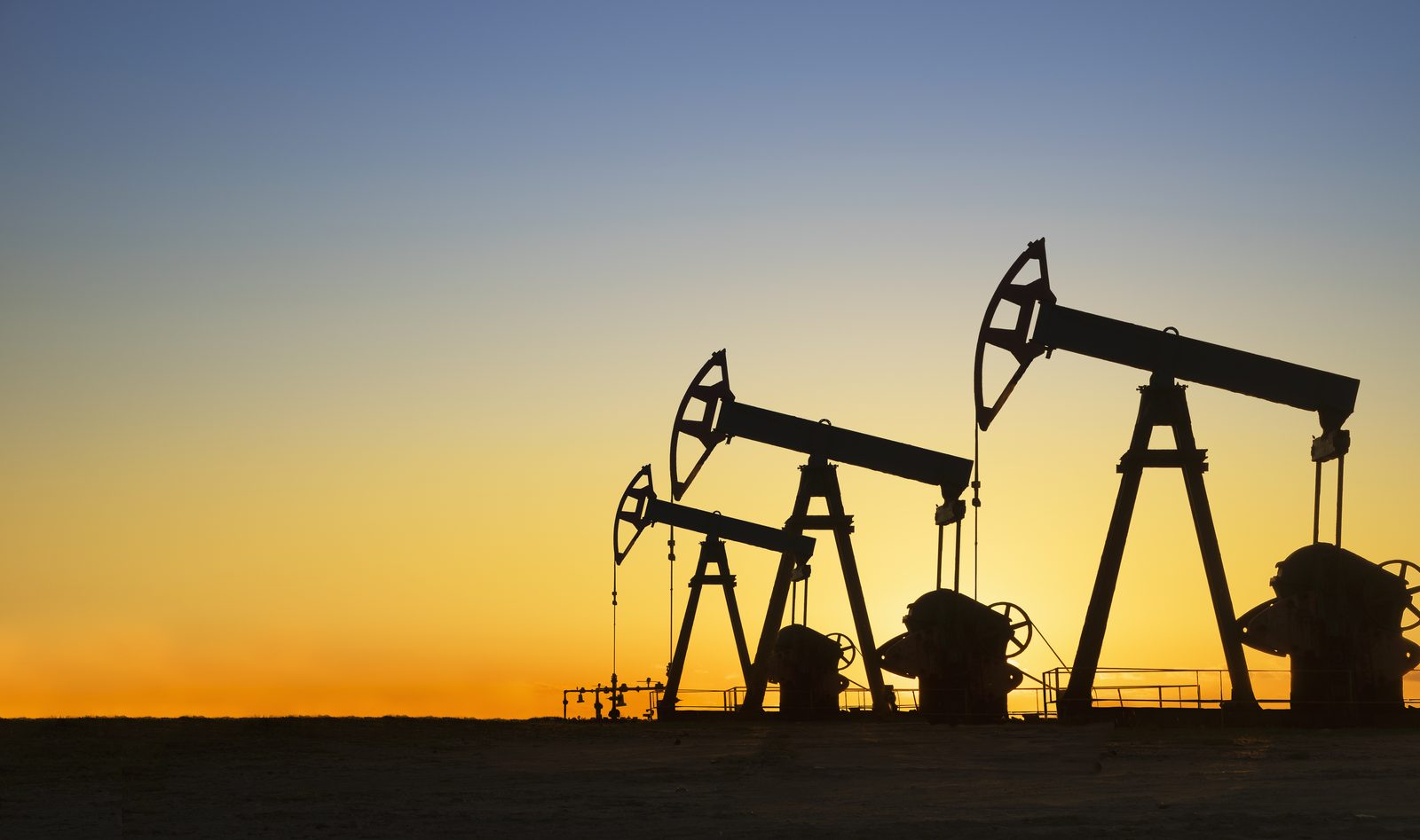
In 2011: “We stand on the precipice of peak oil production as demand climbs.” I warned executives that “net energy exporters” were becoming “net importers faced with peak oil,” and that oil prices were likely to “fluctuate if not skyrocket.”
Instead, the shale revolution happened. In 2020, the United States became an annual net exporter of petroleum for the first time since at least 1949 (U.S. Energy Information Administration). Prices fluctuated, sure, but they never skyrocketed the way I implied. I took a geological argument and ignored what high prices do to technology and investment. That is a rookie mistake from someone who was not a rookie.
12. Renewables would not matter
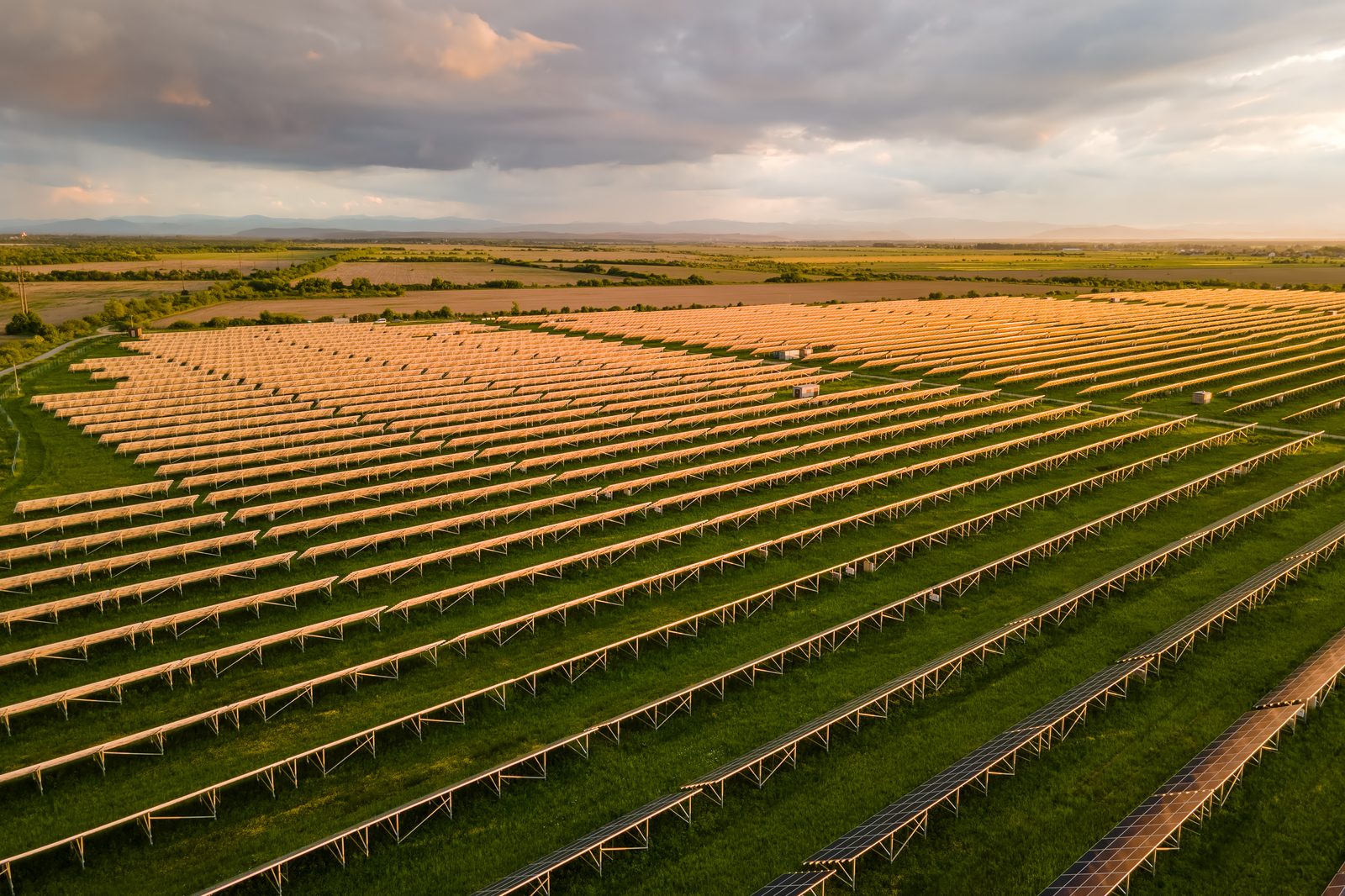
In 2011, citing the major energy agencies, I wrote that solar and wind “occupy such a small percentage of the supply, that it is extremely improbable that they will change industry in the coming decades.”
Half of that held up: fossil fuels still dominate the world’s total energy supply. The other half did not. In 2025, solar grew 30% and reached 8.7% of global electricity generation, passing wind for the first time (Energy Institute Statistical Review, via DieselNet). Power markets, utilities and manufacturing supply chains have been reshaped by it. I leaned on the consensus forecasts of the major energy agencies, the same comfort-of-authority my book spent twenty-five chapters mocking.
13. America would run on coal
In 2011: “The Chinese, Indian and U.S. economies will be running on the sooty black stuff,” because “no other source is as reliable or available to meet the scale of energy demands to come.”
Right about China and India. Wrong about the United States. Coal supplied 42.2% of U.S. electricity in 2011 (EIA). By 2024, the Energy Information Administration expected that share to fall to about 16%, an all-time low (S&P Global, citing EIA), displaced mostly by cheap natural gas from the same shale boom I missed in forecast 11. One blind spot, two stinkers.
14. “Numbers will stop going up.”
This is the big one. In 2011 I wrote that the “cheap-oil-fueled, suburban-housing-driven system of global finance capitalism” was unlikely to keep growing and would “decompose as a new global system emerges. This means that numbers will stop going up.”
The S&P 500 closed 2011 at 1,257.60. On October 6, 2026, it closed at a record 7,818.93 (TS2). That is more than six times higher. The numbers did not stop going up. I underestimated how far central banks and governments would go to keep them going up, which, awkwardly, was the point I made correctly in forecast number 3.
15. A number I repeated without checking
In the section on outdated assumptions, I repeated a forecast that “by 2020 America will be short 200,000 doctors and 800,000 nurses.” That projection did not hold. The Association of American Medical Colleges now projects a shortage of up to 86,000 physicians by 2036 (AAMC). Shortages are real; the number I passed along was not. Source evaluation applies to the sources you agree with, too.
What the misses have in common
Lay the scorecard out and a pattern jumps off the page. My hits were about people and institutions: how authority erodes, how bureaucracies protect themselves, how organizations fail to act on warnings. My stinkers were about resources and markets: oil, coal, solar, asset prices. Notice the exception: my best resource call, China and minerals, was about a strategy, a government’s patient plan, not a price.
In each stinker I made the mistake my own book warned against. Tip 4 mocks planning around a single scenario. I had one scenario for energy, scarcity, and I did not seriously build the one where high prices unleashed shale drilling and cheap solar panels. Tip 9 warns that “the assumptions of the past do not match the future.” My assumption, that the post-2008 system was too broken to keep growing, was itself a product of the moment I was writing in.
That is the real lesson, and I wrote it down in 2011 without fully living by it: “The chief value of futurism is not accurate predictions, but the exploration of unchallenged assumptions.” Forecasts are hypotheses. The discipline is in stating them plainly, saying what would prove them wrong, and coming back to check.
The scorecard
- Hits (7): the collapse of media authority; the smartphone’s side effects; bailouts as standard operating procedure; shocks bigger than 9/11 and 2008; everything going digital; China’s long game for raw materials; Afghanistan.
- Partials (3): Boomer healthcare costs; automation and unemployment; water.
- Stinkers (5): peak oil; renewables; America running on coal; “numbers will stop going up”; an unchecked doctor-shortage figure.
Seven, three and five. Intelligence is always wrong; this time, a third of my calls were stinkers, and most of them traced back to a single blind spot about energy. I will take that, and I will keep checking.
If your organization’s forecasts have never been graded, start there. It is the cheapest strategic exercise you will ever run, and the most humbling.
How to Predict the Future…and WIN! is still available in paperback and on Kindle.
Related analysis from Competitive Futures
- The Impact/Probability Matrix: A Scenario Planning Tool
- Cognitive Bias: A Field Guide
- Social Media and Intelligence: The Crisis of Authority
Want this kind of analysis for your organization? Contact Competitive Futures or learn more about Eric Garland.
About Competitive Futures
Competitive Futures has provided strategic intelligence and foresight to corporate and government clients since 2002. Its principal, Eric Garland, publishes analysis here, on Game Theory Today, and in the Systemics Quarterly Brief.
Read next
- Seventy Countries, Six Cities: The Global Network Behind Iran
- The Systemics Quarterly Brief: 2026 Prospectus
- Strategic intelligence services for executives and governments
- All analysis from Competitive Futures
Stay in touch
Leave your email and a note about the Brief, a briefing for your team, or this piece, and we will be in touch.