The Future Intelligence Process
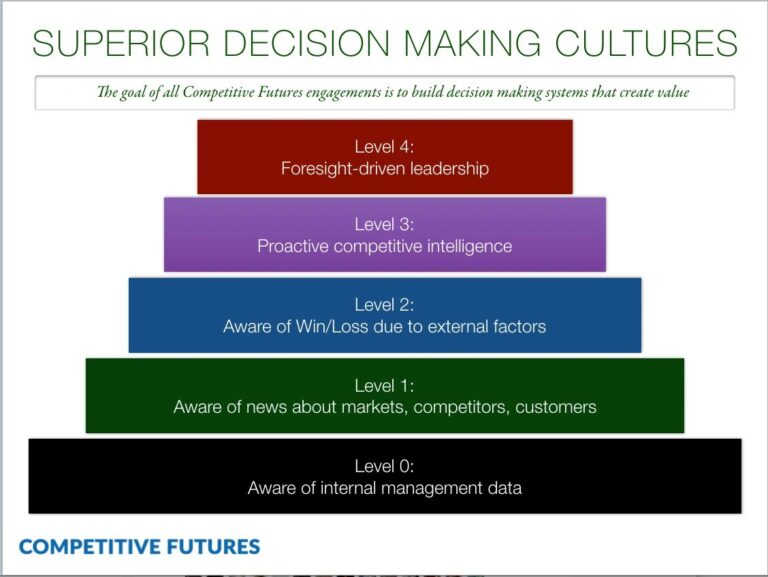
Competitive Futures has been providing global businesses and government agencies with strategic intelligence based on The Future Intelligence Process since 2002. We designed this approach to incorporate tactical competitive intelligence methodologies with the long-range strategic approach of futures studies to give clients a view of uncertainty many years into the future, with enough insight into today’s issues to respond to current managerial challenges. This way, day-to-day management doesn’t suffer from fatal myopia and strategy exercises don’t fail to incorporate current realities.
We’ve helped clients achieve significant value with this process, and it continues to be the basis of all of our research projects.
1. Systems Thinking
All projects begin with systems analysis. Starting with the ultimate value to the client in mind, we analyze activities, stakeholders, external factors, and everything that might go into our client’s future.
Value to the project
- Guides trend researchThis step identifies which changes are most important so you can gather data
- Unlocks creativityLooking at more elements of the future lets you see more risks and opportunities
- Reduces surpriseUltimately, incorporating more factors in strategic analysis helps reduce surprises down the road
2. Trend analysis
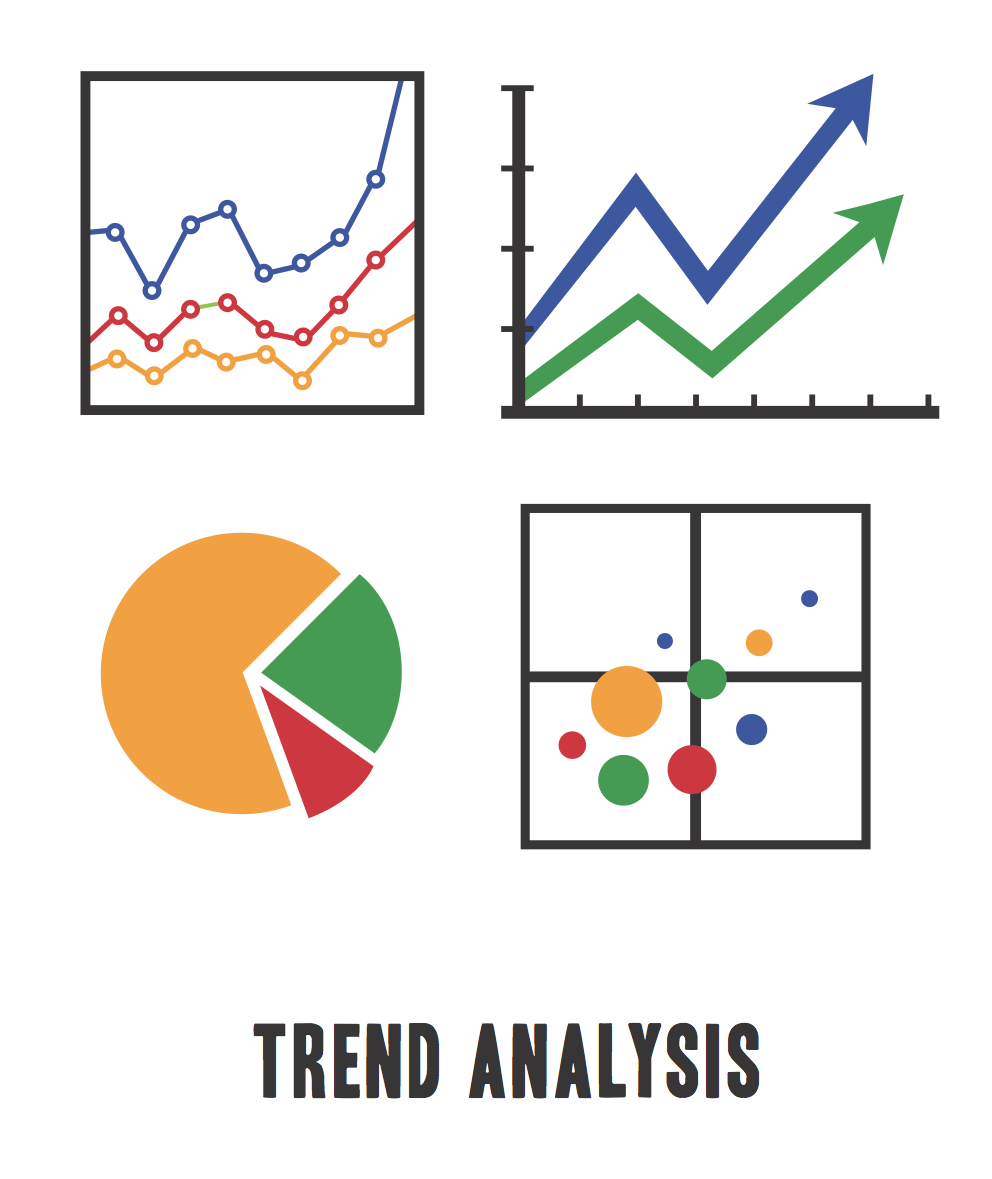
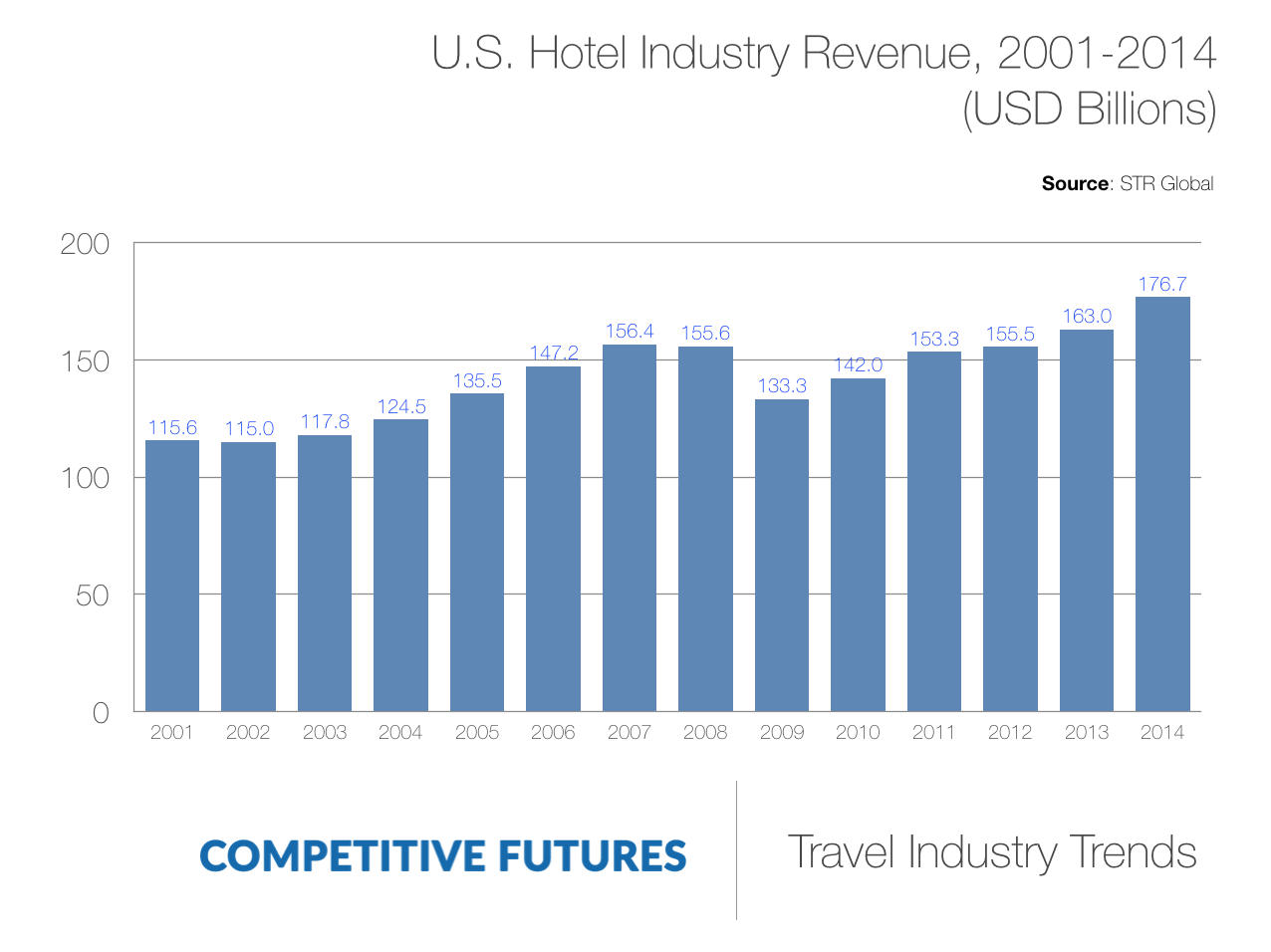
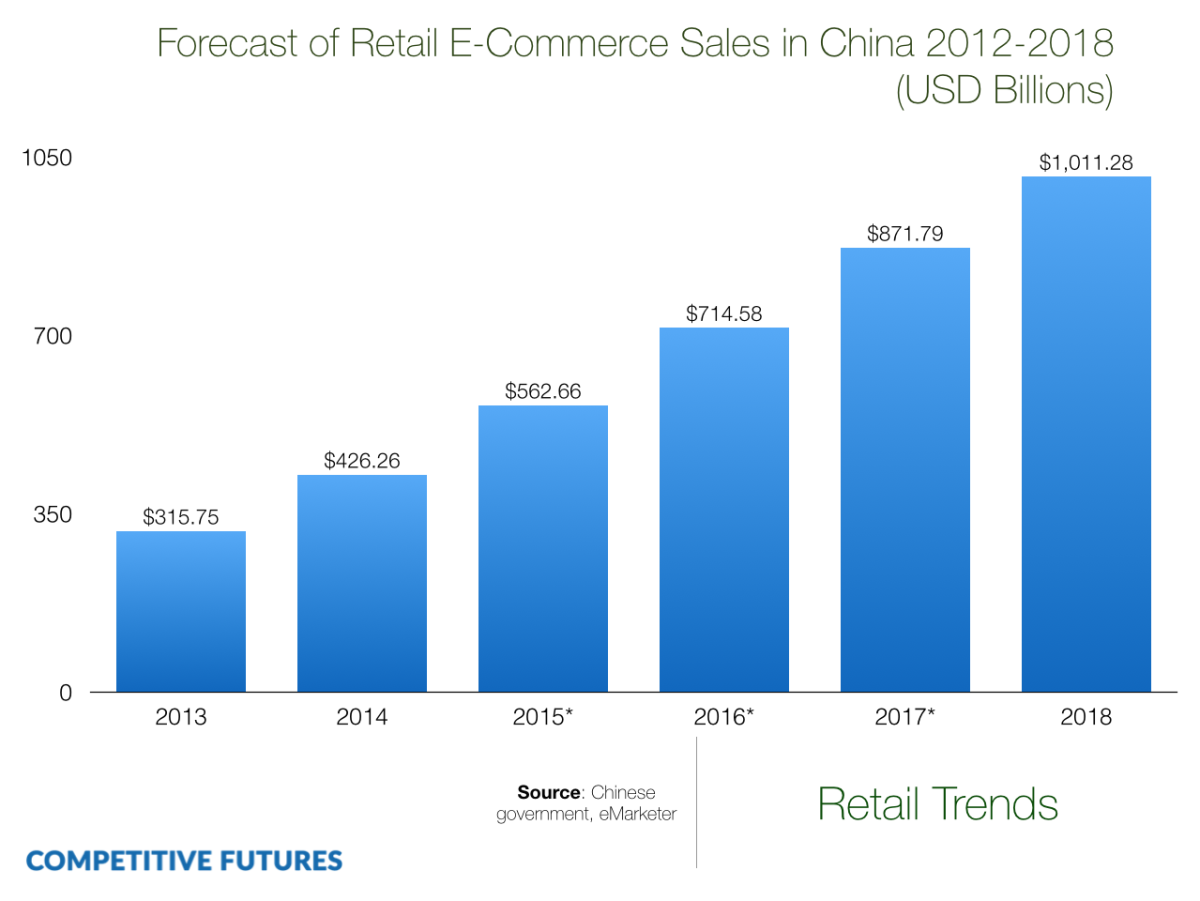
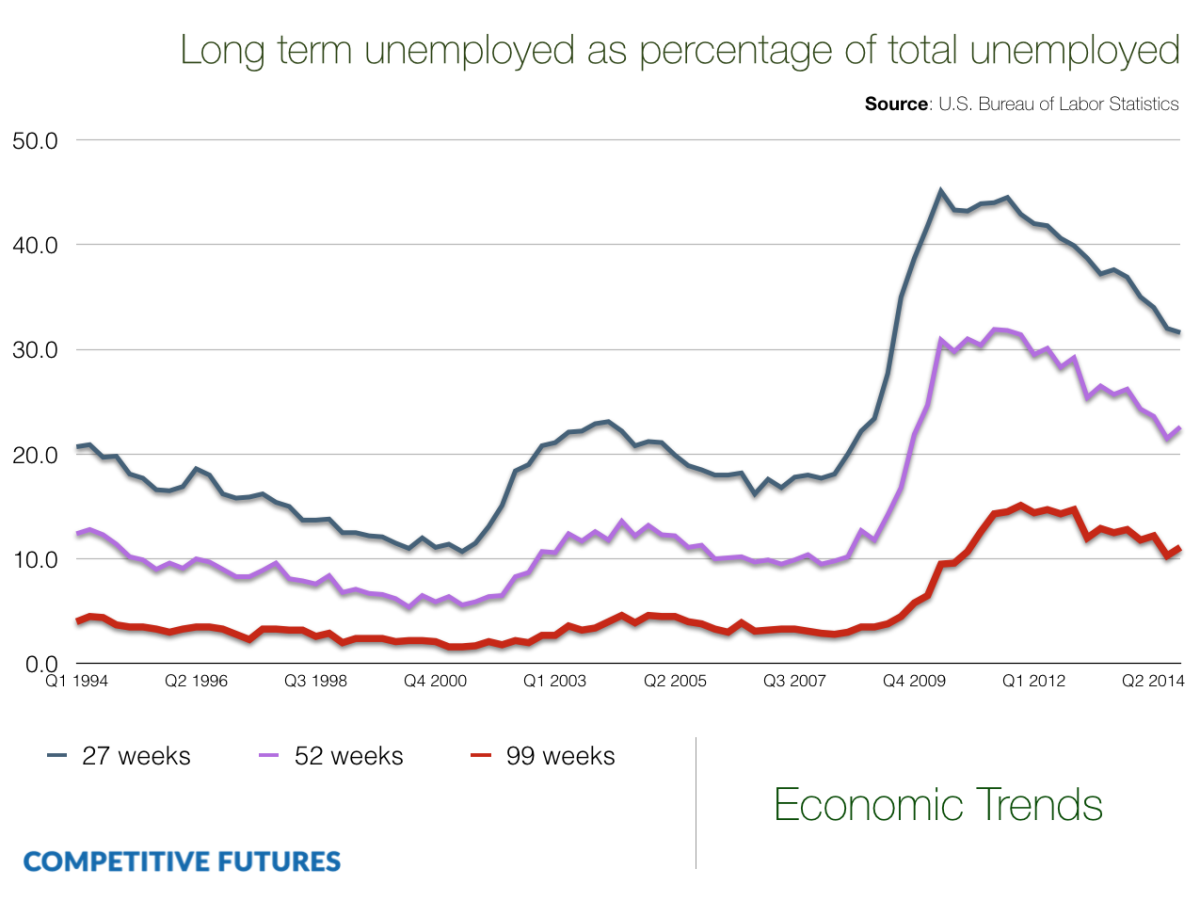
Once the systems map has been established, Competitive Futures begins the process of collecting and analyzing trends in a variety of areas, from competitor behavior to intellectual property to social, economic, and technological trends.
If it matters to you, we find it, track it, and tell you what it means.
Value to the project
- Provides rigorTo have a proper discussion about the future, executives need to start from reliable information
- Challenges assumptionsOur view of the world is often outdated until we see recent trend data
- Identifies uncertaintyThis step shows you where trend data is impossible to get, revealing key uncertainties to track later
3. Forecast Assessment
Once the systems map has been established and trend research has shown us hard data, we then look to the experts in a variety of fields to give us their opinions on where the future is headed.
Their greatest value may be limited to their field of expertise, but it is critical to understand where they see their fields headed in the years to come.
Value to the project
- Consults top expertsNo analyst can be an expert in every field, so we listen to the best in the business
- Steals good ideas*If smart people are already analyzing the future, take their work and run with it (*with proper attribution)
- Keeps things future-focusedTrend data is inherently backward-looking; this keeps the analysis looking ahead, where your organization is headed anyway
4. Strategic Implications
With the systems map defined, trend data collected, and expert forecasts understood, we ask a series of questions to get at the heart of what the future could mean to our client. We ask:
- So what?
- What if…?
- What else?
Value to the project
- Focuses on client impactMakes sure that this isn’t merely an “interesting” discussion, turns into real value
- Explores risks and opportunitiesMakes sure that the future is neither seen as all good or bad, but potential outcomes
- Gets radicalIt isn’t until you consider the impact of trends and forecasts that you realize that the future is a big deal and requires action today
5. Scenario Generation
One of the most important outputs of the strategic implications process is in the generation of scenarios. The future will look quite different depending on a variety of uncertainties, and it isn’t until the narratives are properly elaborated that most executives can see where their current decisions will lead.
Whether quantitative or qualitative, scenario generation is the most important step in formulating a strategy.
Value to the project
- Brings the work togetherScenarios bring the abstract parts of foresight together to be understood by many different audiences
- Makes you think about communicationsNow it’s time for the work to bring value to others
- Keeps things future-focusedTrend data is inherently backward-looking; this keeps the analysis looking ahead, where your organization is headed anyway
6. Communications
To bring value to an organization, the findings of a Future Intelligence project should be communicated to different parts of the organization in different ways.
Value to the project
- Impacts operationsBy getting the findings of the project around the organization, action can be taken now
- Involves broad constituencyThis phase makes you realize that different constituents have different needs when it comes to strategic insights
- Inspires dialogueThere is no future but the one we create, and that creation begins with dialogue, especially the kind sparked by this sort of the research and analysis
Future Intelligence at Work
Here are just a few representative examples of our work in service to world-class organizations.
- Competitive Intelligence
- Economic Development
- Technology Foresight
- Scenario Planning
- Product Strategy
- Corporate Strategy
- Due Diligence
- Executive Education
Get Future Intelligence Working for you
Looking to create a future-focused strategy for your organization? Contact Competitive Futures and we can customize a Future Intelligence project starting today.