Michael Porter’s Five Forces of Competition
It’s Back to School time, and thus no better moment to go back through some old classic models of competitive behavior.
One of the most important strategists of the 20th Century was Michael Porter, a professor at Harvard Business School. His book Competitive Strategy is a classic, representing the cutting edge of how American executives took on worldwide competition as the dynamic of the post-World War II era finally subsided and globalization began.
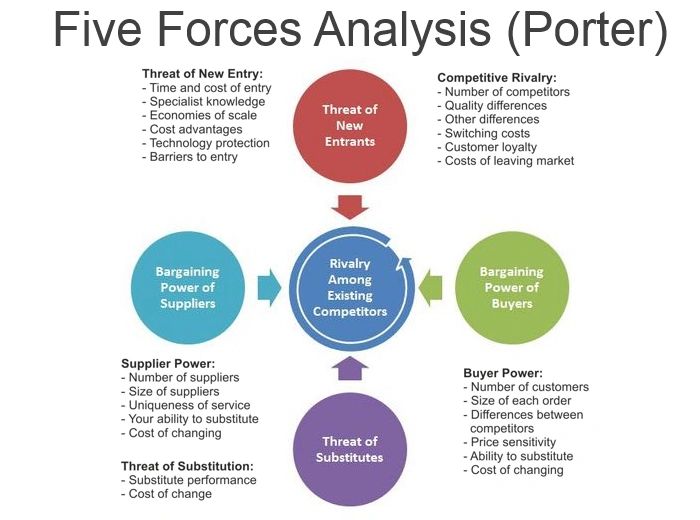
Porter introduced the Five Forces analysis to us, which showed the major threats and opportunities for any firm in any market.
1. Competitive Rivalry
The intensity of competition among existing competitors.
This presented additional questions:
- How many competitors are there?
- What is the market growth rate?
- Are products/services differentiated?
- Is it easy to switch brands?
2. Threat of New Entrants
The ease or difficulty with which new competitors can enter the market.
This presented additional questions:
- Are there barriers to entry (e.g., capital, regulation)?
- How strong is brand loyalty?
- Do new entrants face high startup costs?
3. Bargaining Power of Suppliers
The power suppliers have to drive up prices or reduce product/service quality.
This presented additional questions:
- How many suppliers are there?
- Are suppliers concentrated?
- Can companies switch suppliers easily?
- Do suppliers offer unique products?
4. Bargaining Power of Buyers
The power customers have to drive prices down or demand better quality/service.
This presented additional questions:
- How many buyers are there?
- How important is each buyer?
- Can buyers switch easily?
- Are products standardized or customized?
5. Threat of Substitutes
The risk of products or services from other industries replacing the industry’s offerings.
This presented additional questions:
- Are there alternative products that meet the same need?
- What is the cost of switching to a substitute?
- How innovative is the industry?
How do you answer these questions? Competitive intelligence!
The tough questions posed by Michael Porters’ Five Forces model are really the genesis for the profession we now call competitive intelligence. The answers to all of the above questions are in constant flux. Then and now, no organization starts with a function that can provide the information. And while we now have markets being shifted by cryptocurrency, artificial intelligence, and nanotechnology, the impact on organizations still follows the model suggested by Porter back in 1980.
Do you have all of your competitive intelligence questions answered?
If not, call us.