Competitive intelligence books to get you started in the field
Competitive Intelligence Books to Get You Started in the Field
There are several competitive intelligence books that will help familiarize you with the history, uses, skills, and future of this important discipline. Here are several choices that will look at competitive intelligence from a variety of angles and levels of sophistication, all of which can help you on your journey as a strategy professional
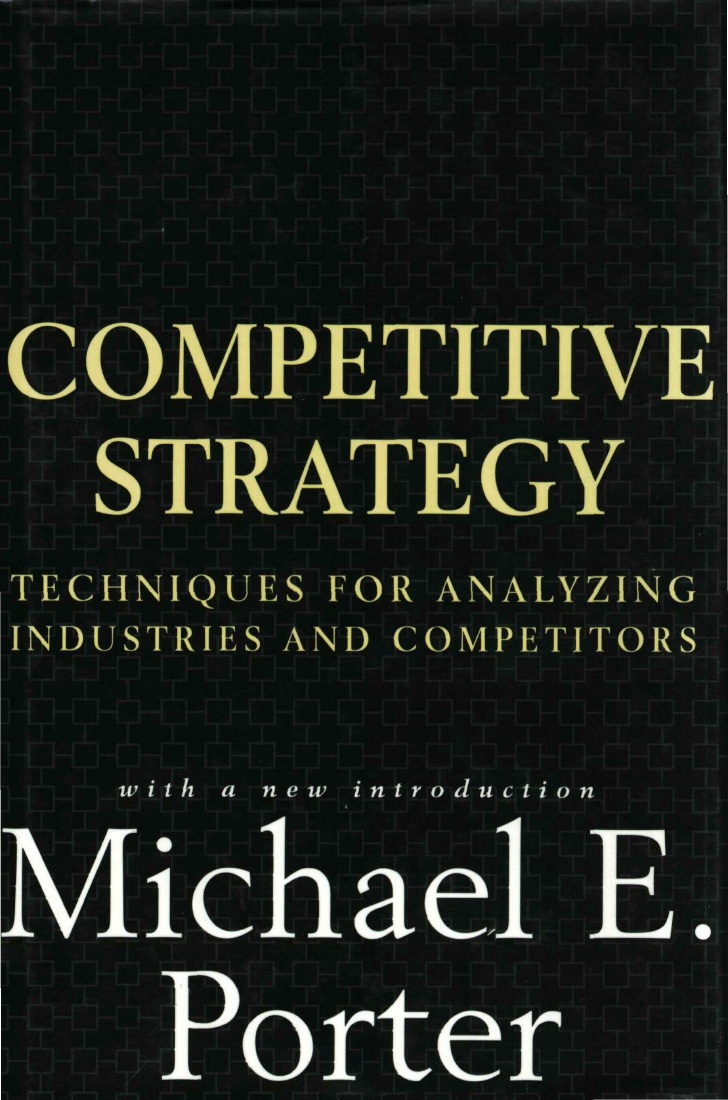
Competitive Strategy
While this book isn’t about competitive intelligence per se, the groundbreaking ideas of Competitive Strategy form the raison d’être of the field’s very existence.
Harvard professor Michael Porter revolutionized the field of strategic management when he identified five key forces that impacted how a firm competed in a given marketplace:
- Industry rivalry
- Bargaining power of suppliers
- Bargaining power of buyers
- Threat of new entrants
- Threat of product or service substitution
Competitive intelligence arose to provide timely information on those forces. If you want to understand CI, you must understand why it was necessary in the first place.
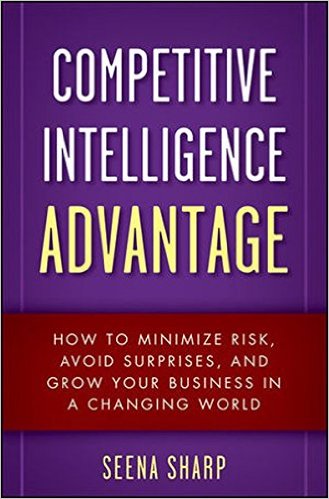
Competititive Intelligence Advantage
Competitive Intelligence Advantage by Seena Sharp is an excellent introduction to the field of CI. Written in clear, value-driven language, Sharp delivers expert advice about how to start a competitive intelligence program from scratch, including ways to understand the forty years of history behind the field in a short period of time.
Sharp, a long-time and respected practitioner of competitive intelligence, helps make the case for why senior executives should not assume that the proper information for strategic decisions will simply show up on their desks. In addition to giving professionals the basics of CI practice such as following ethical guidelines and performing according to the standards of the field, the author makes a point of getting the reader to focus beyond competitors to recognize the external factors of the market.
Rather than flog the reader with jargon and hope that they catch up, Competitive Intelligence Advantage is a book that attempts to expand the field by inviting new executives into a discipline that is often misunderstood.
Business and Competitive Analysis
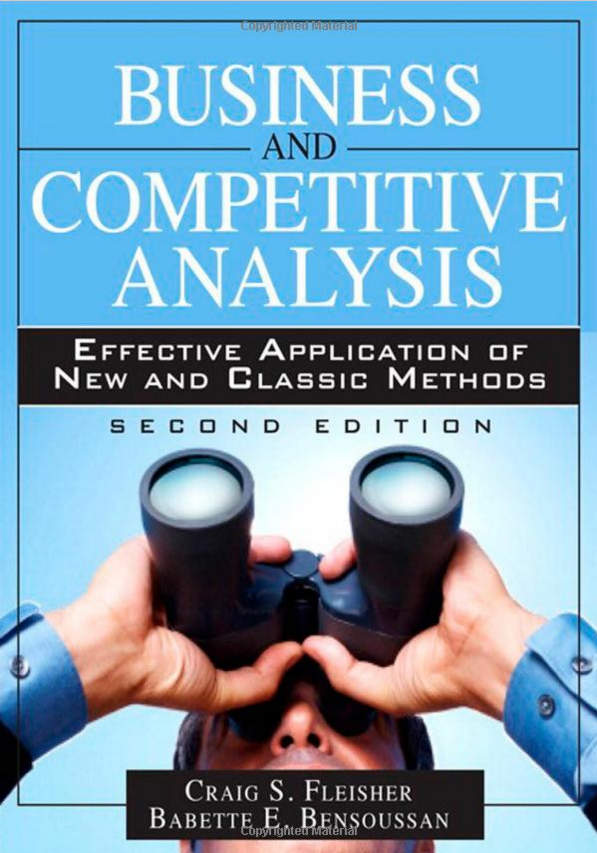
A casual perusal of competitive intelligence books will return the same two names time and time again: Dr. Craig Fleisher and Babette Bensoussan, two of the most prolific experts in the field. For those who have committed to marrying up competitive intelligence with MBA techniques, Business and Competitive Analysis is your guidebook to linking every possible form of competitive intelligence with the types of managerial techniques at use in global corporations. The book covers:
- A Better SWOT
- Benchmarking
- Business Model
- Competing Hypotheses
- Competitive Positioning
- Competitor Cash Flow
- Critical Success Factors
- Driving Forces
- Event & Timeline
- Historiography
- Indications & Warning
- Industry Fusion
- Linchpin
- McKinsey 7S
- Product Line
- Scenario
- SERVO
- Shadowing
- Statistical Interpretation
- Strategic Relationships
- Supply Chain Management
- Technology Forecasting
- War Gaming
- Win/Loss
The Knowledge Value Chain Workbook
Tim Powell, head of The Knowledge Agency in New York City answers the questions that every senior executive will ask about the value that will be created by an investment in an institutional competitive intelligence function in The Knowledge Value Chain Workbook. This is the kind of book you keep on your desk for frequent reference rather than academic text, offering:
- A primer on the applied economics of information
- A user’s manual for both producers and users of organizational intelligence and knowledge
- A how-to guidebook to evidence-based organizational decision making
- A trouble-shooting tool for optimizing the design and operation of knowledge-based business processes
- An idea generation device for using information to compete more effectively
This book is essential to the field of competitive intelligence because it combines techniques with more advanced concept of the decision sciences, helping all levels of the organization.