A Guide to Future Trends for Business Strategy
People love to think about future trends. Hearing about new technologies and emerging social behavior is always engaging when it comes to TV programs and once-a-year magazine pieces. Yet in our two decades of consulting to leaders of business and government around the world, we have noticed a shocking phenomenon: the majority of executives are unable to name three future trends and how they will impact their organization.
Partially, this is a failure of our educational system, which teaches how to manage organizations with an emphasis on past performance and a prejudice of tactics over strategy. As such, many professionals have never been properly exposed to the use of future trends in making a winning strategy.
Future Trends: Definitions
One of the reasons executives may be unfamiliar with future trends is that they may never have been trained to identify them as special data points. To be fair, the world now wakes up with limitless information to consume, and it is hard to know what merits one’s attention. To begin, here is a primer in how to pick out future trends.
First, you are looking for a dataset that shows change over a period of time. Exponential growth, a slow decline, even a flat line – it all counts as a trend.
Future trends will likely fall into one of five categories, commonly referred to by futurists as STEEP. Most trends fall into the broad categories of Society, Technology, Economics, Ecology, and Politics. While these may seem unconnected to your strategy, most major opportunities and threats come from the periphery, about which executives spend the least time thinking.
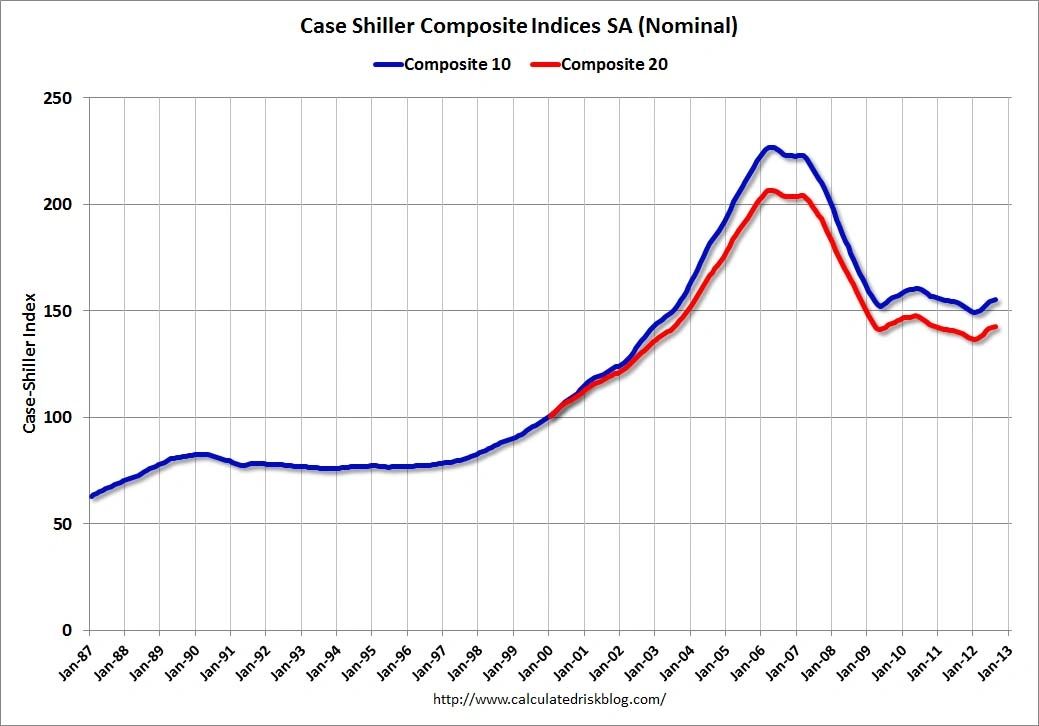
A timeframe must be identified, preferably one that shows where the change is significant. If you are looking at future trends in housing prices, the last three years may not be representative. To have a chance at understanding the future, you might need data on the past few decades. For example, if you only look at housing prices in the United States starting in 2002, you do not get the same perspective of what a bubble it was unless you “zoom out” to the past 30 years or more.
Future trends also depend on data that comes from a qualified expert source. Dreaming about what might be based on personal desires and creative thinking is called “science fiction.” In order to identify trends worth discussing in terms of a billion-dollar decision, it must be clear that the data is professionally collected and if not absent of bias, then at least where the bias is clearly understood.
WHAT BENEFITS WILL YOU GET FROM STUDYING FUTURE TRENDS?
If you are going to spend your valuable time and money studying the future, you should know what you could expect to get from it. Although the specific insights may vary from industry to industry, leaders who study the future gain the following:
A BROADER PERSPECTIVE
In general, people don’t have time to consider what is going on in the larger world. Their daily lives are so full that just managing the present is tough enough. They are constantly concerned with the crisis of the day. The larger perspective about where the organization is headed and how the world is changing is often lost. Two years ahead begins to seem like the distant future; even the next quarter could be a completely different world. In addition, as businesses seek more precise niches in order to maintain profitability, we are becoming a world of specialists. This is a good thing when it means we find a competitive, profitable niche. The danger is becoming so focused on our little part of the world that we miss the bigger picture.
A CHALLENGE OF YOUR BASIC ASSUMPTIONS
You already probably know how the future will turn out, right? Most people have “a hunch” about what will and will not change, if you are like most people. But when you compare your assumptions with hard data from future-trend research, are they correct? Without a study of the future, you always take the chance that you are harboring dangerous unexamined assumptions about the future that could trip you up and cause a strategic mis- step as the future changes around you.
Perhaps examining assumptions is not the primary reason people commission or perform a study of the future, but it is one of the most useful side benefits. That’s not to say it’s comfortable; questioning your assumptions is like yanking your comforter off on a cold winter morning. But that’s what futures research is there for. After all, remember, it is impossible to know exactly how the future will turn out—and if anyone ever promises that, keep one hand on your wallet. The value of a futures study is to shock you and change your mind—to get the message that records could soon fit in an e-mail—no matter how painful the realization.
The cardinal rule of futurism is if the findings confirm everything you ever thought about the world and where it is going, it is useless. You have learned nothing. The true benefits come when your basic assumptions about the future are challenged and explored; only then can you perceive new information about the future and act on it.
THE ABILITY TO DETECT POTENTIAL THREATS AND OPPORTUNITIES
Threats are a major reason to keep an eye on the future. The future is not always rosy. In well-entrenched, successful orga- nizations, people often forget that bad stuff happens to nice organizations every day. Companies go out of business. Foreign powers act unexpectedly and attack other nations. Stakeholders turn hostile. The value of futures research is that once a poten- tial threat is revealed, you can watch it like a hawk and take countermeasures if and when necessary.
But let’s not forget the potential opportunities in uncertainty. To quote Hugues de Jouvenel of the French consultancy Futuribles, the future is the only domain in which man has the power to change his fate. This applies to companies as well. The fortunes of tomorrow remain to be won and lost. If you’ve lost sight of that, remember that Apple was not a major player in the music industry just fifteen years ago.